Anti-Backflow Control in Distributed Solar: A Project Overview
Understand what export limitation is, why projects request it and what information is needed before system design.
Some distributed solar projects need to limit or prevent power from being exported to the public grid. This requirement is often described as anti-backflow, zero-export or export limitation.
What anti-backflow control does
The control system measures power flow at the grid connection point and adjusts inverter output when generation exceeds local consumption. The goal is to keep export within the limit defined for the project.
Why response speed and communication matter
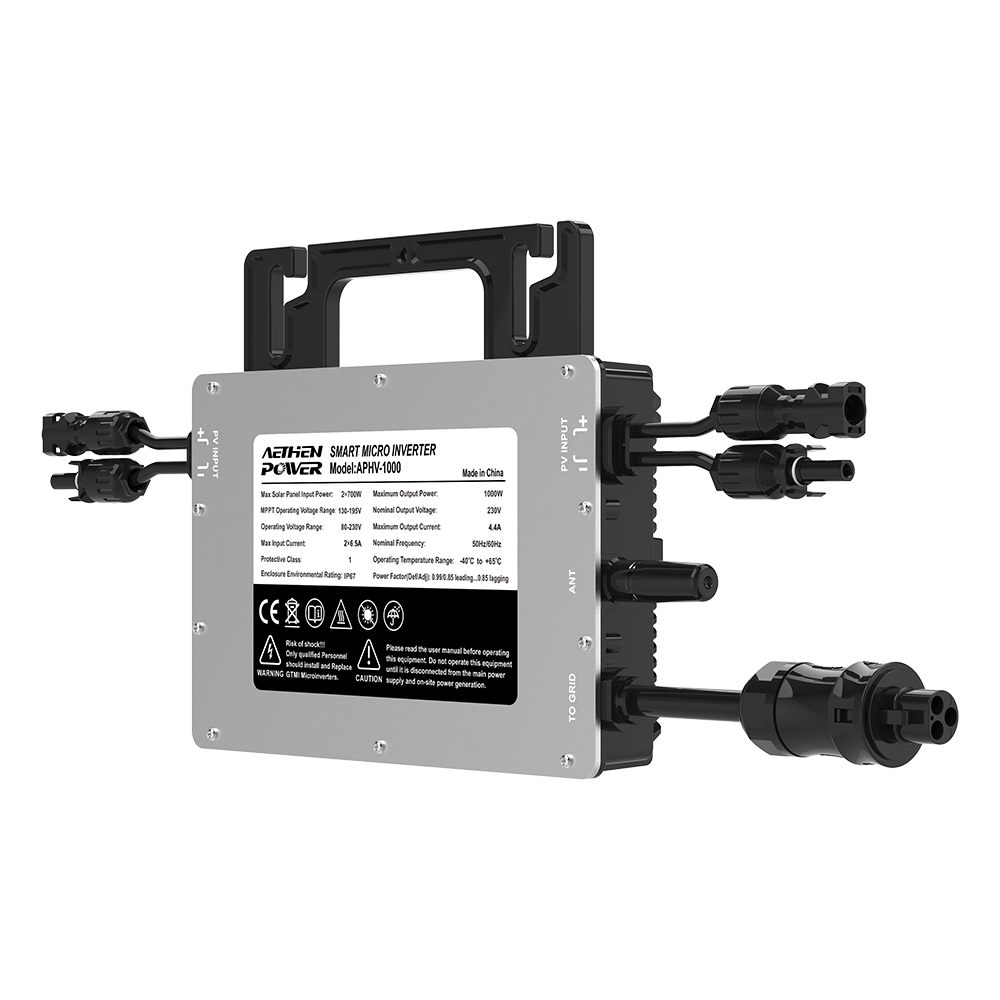
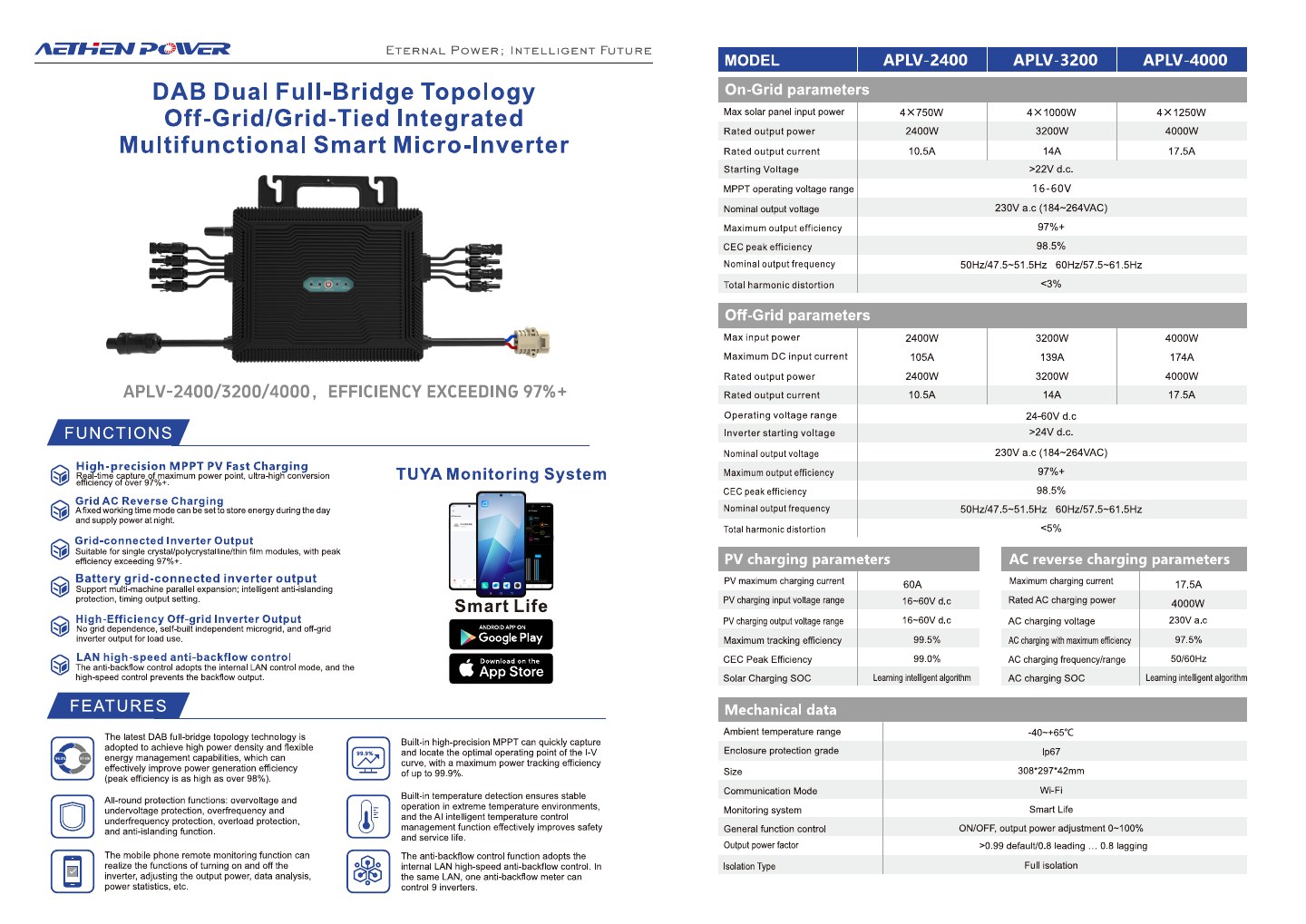
Export control depends on coordinated measurement, communication and inverter response. Communication delays or an incorrectly positioned sensor can reduce control quality. TMG's APLV and APHV platforms support LAN high-speed anti-backflow control as part of compatible system configurations.
Information needed during design
Before selecting equipment, confirm:
- Single-phase or three-phase site architecture
- Grid voltage and frequency
- Maximum permitted export value
- Location of the point of common coupling
- Existing loads and expected load changes
- Number and model of inverters
- Metering or current-transformer arrangement
- Communication distance and cable route
Commissioning is a system task
Anti-backflow performance cannot be confirmed from an inverter datasheet alone. The measurement point, sensor direction, network configuration and output-control settings must be checked during commissioning.
Confirm local requirements
Terminology and technical requirements vary by market and utility. The project designer or installer should confirm the applicable grid rules and required protective equipment before installation.
For a preliminary review, send TMG Technology the single-line diagram, target export limit, grid information and proposed inverter list.