APLV or APHV: How to Choose the Right Microinverter Platform
A practical starting point for distributors and project teams comparing low-voltage hybrid operation with high-voltage grid-tied architecture.
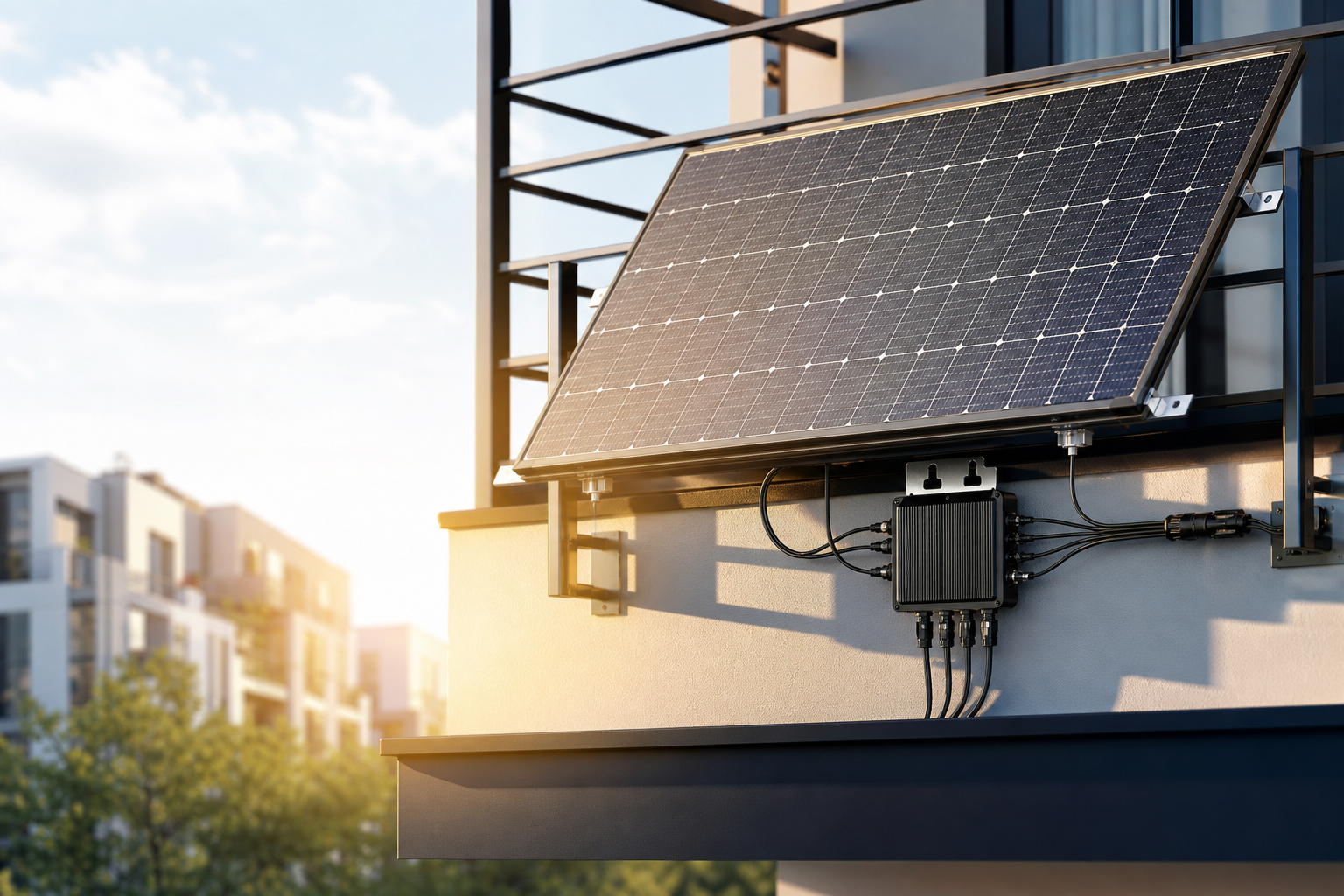
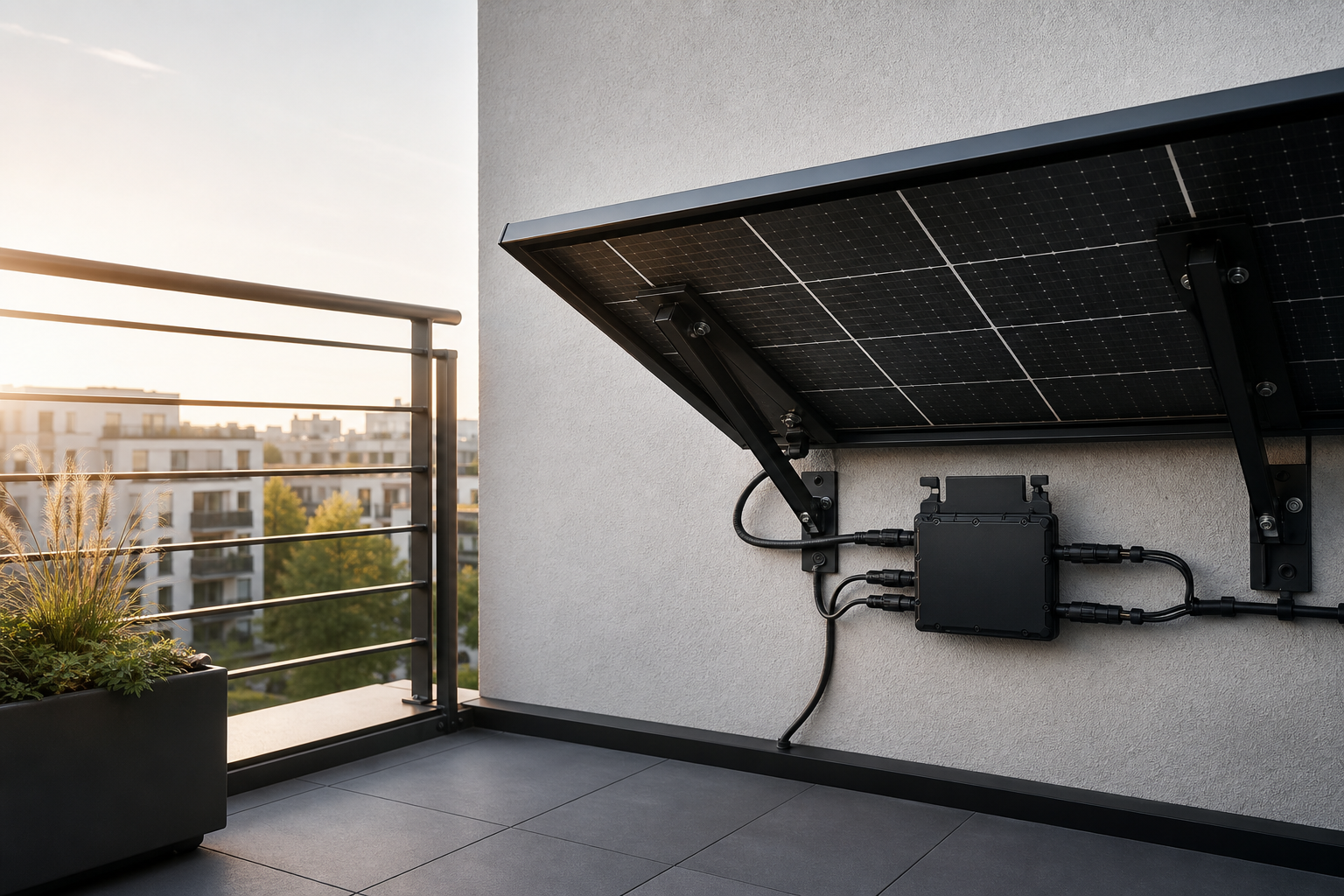
Selecting a microinverter is not only a wattage decision. The PV module voltage, required operating mode, battery strategy and grid connection all shape the right platform.
Start with the project architecture
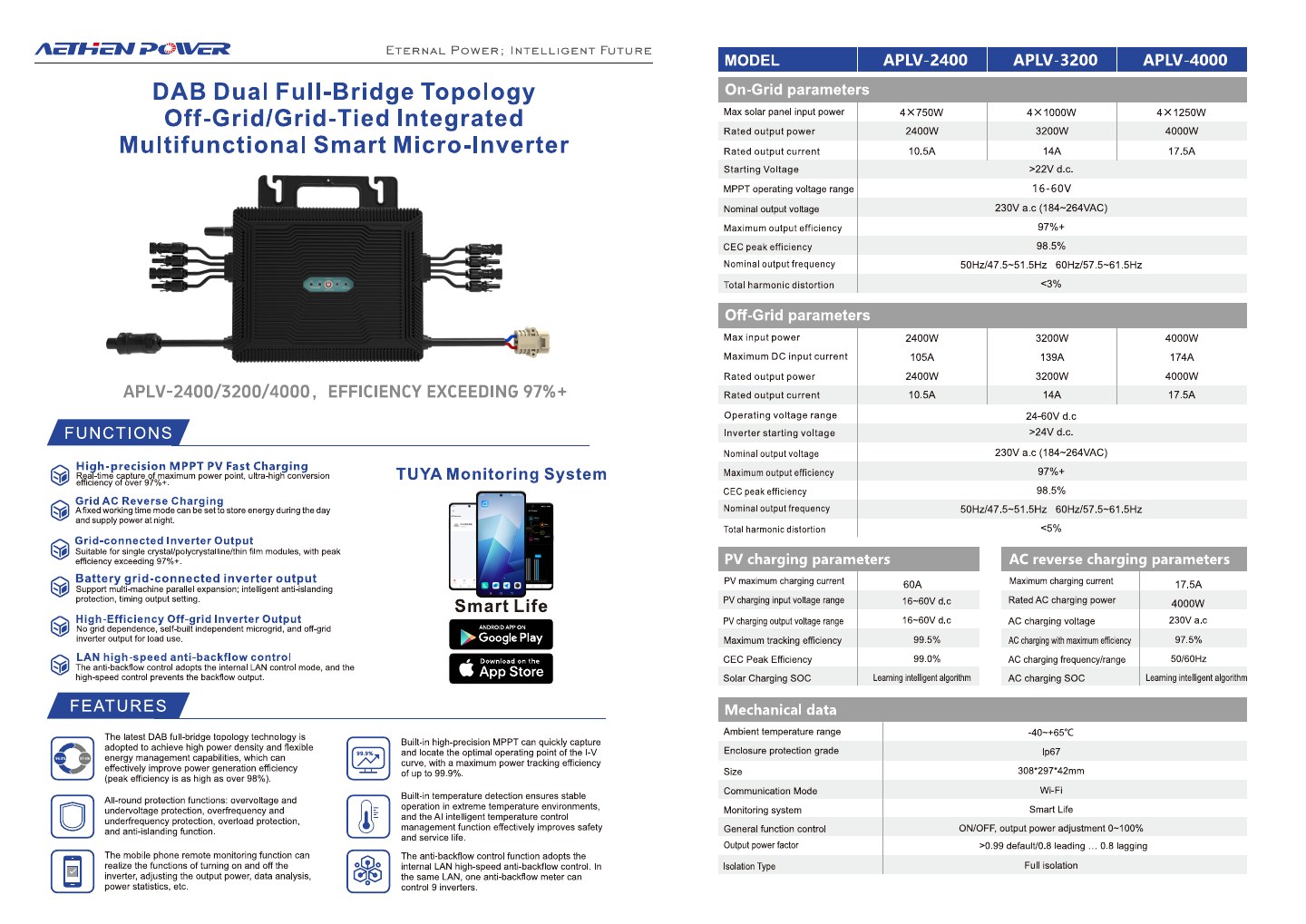
The APLV Series is a low-voltage hybrid platform. It combines grid-tied output, an independent off-grid output, PV battery charging and scheduled AC reverse charging. It is a practical starting point for residential, balcony and distributed energy systems that may need storage or backup operation.
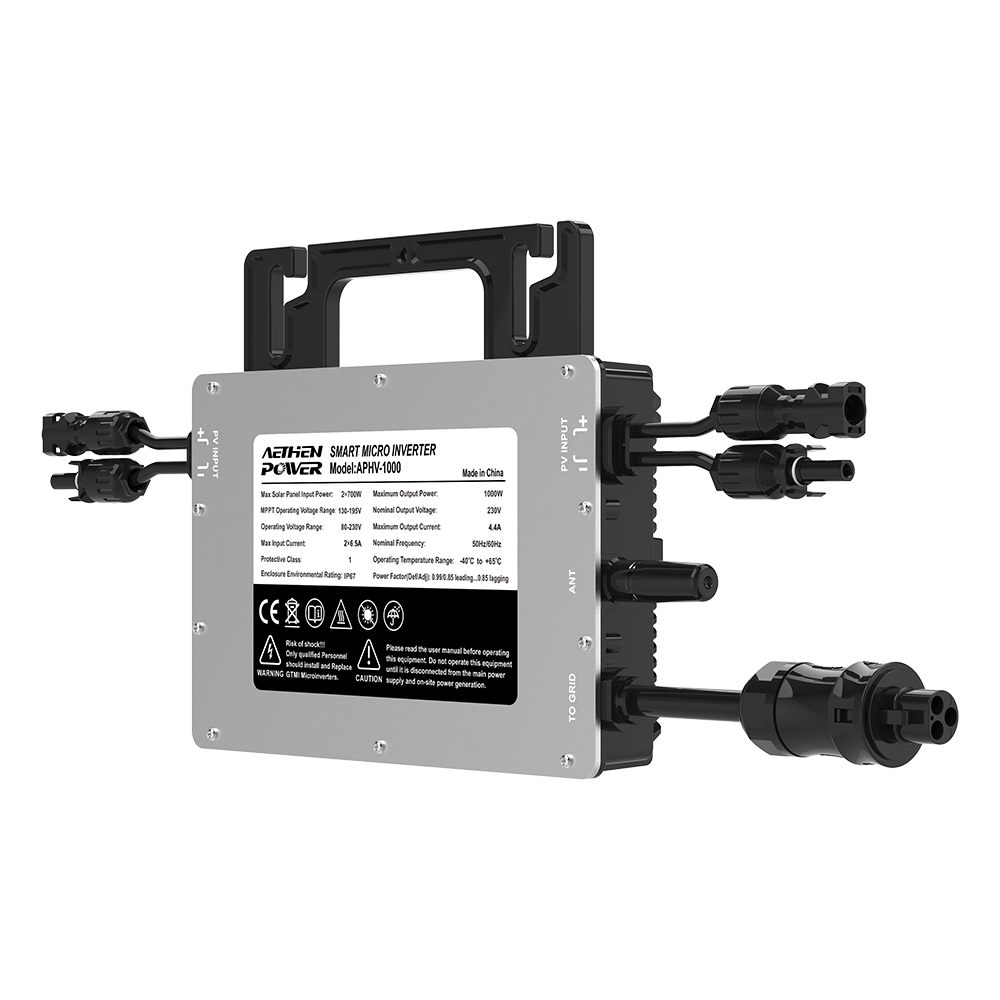
The APHV Series is a high-voltage grid-tied platform. It uses two independent high-voltage PV inputs and is designed for compatible crystalline silicon, perovskite and thin-film modules. It suits projects where a high-voltage, lower-current PV architecture is preferred.
Compare the main design questions
| Project question | APLV Series | APHV Series |
|---|---|---|
| PV input architecture | Low voltage | High voltage, lower current |
| Operating mode | On-grid, off-grid and charging functions | Grid-tied |
| Battery integration | Supported within the platform architecture | Not the primary use case |
| Rated output range | 400 W to 4,000 W | 700 W to 1,000 W |
| Typical application | Balcony, residential and distributed energy | High-voltage module-based grid-tied systems |
Information to collect before model selection
Ask the project team for:
- PV module open-circuit voltage (Voc)
- PV module operating voltage and current
- Number of modules connected to each inverter
- Target AC grid voltage and frequency
- On-grid, off-grid or hybrid operating requirement
- Battery voltage and charging requirement, if applicable
- Local grid-connection and anti-backflow requirements
Do not select by panel wattage alone
Two PV modules with the same rated power can have different voltage and current characteristics. Always check the complete module datasheet and allow for voltage changes caused by local temperature conditions. Final electrical design should be reviewed against the product manual and local regulations.
The fastest way to confirm a configuration
Send TMG Technology the PV module datasheet, target market, system diagram and required operating mode. Our team can identify the suitable product family and the specifications that still need confirmation before quotation.