IEEE 1547.1 and California CEC Listing: A Microinverter Evidence Checklist
How US distributors can trace an exact microinverter model from interconnection test reports to smart-inverter functions and California equipment-list records.

TMG Technical Team
Compliance Engineering
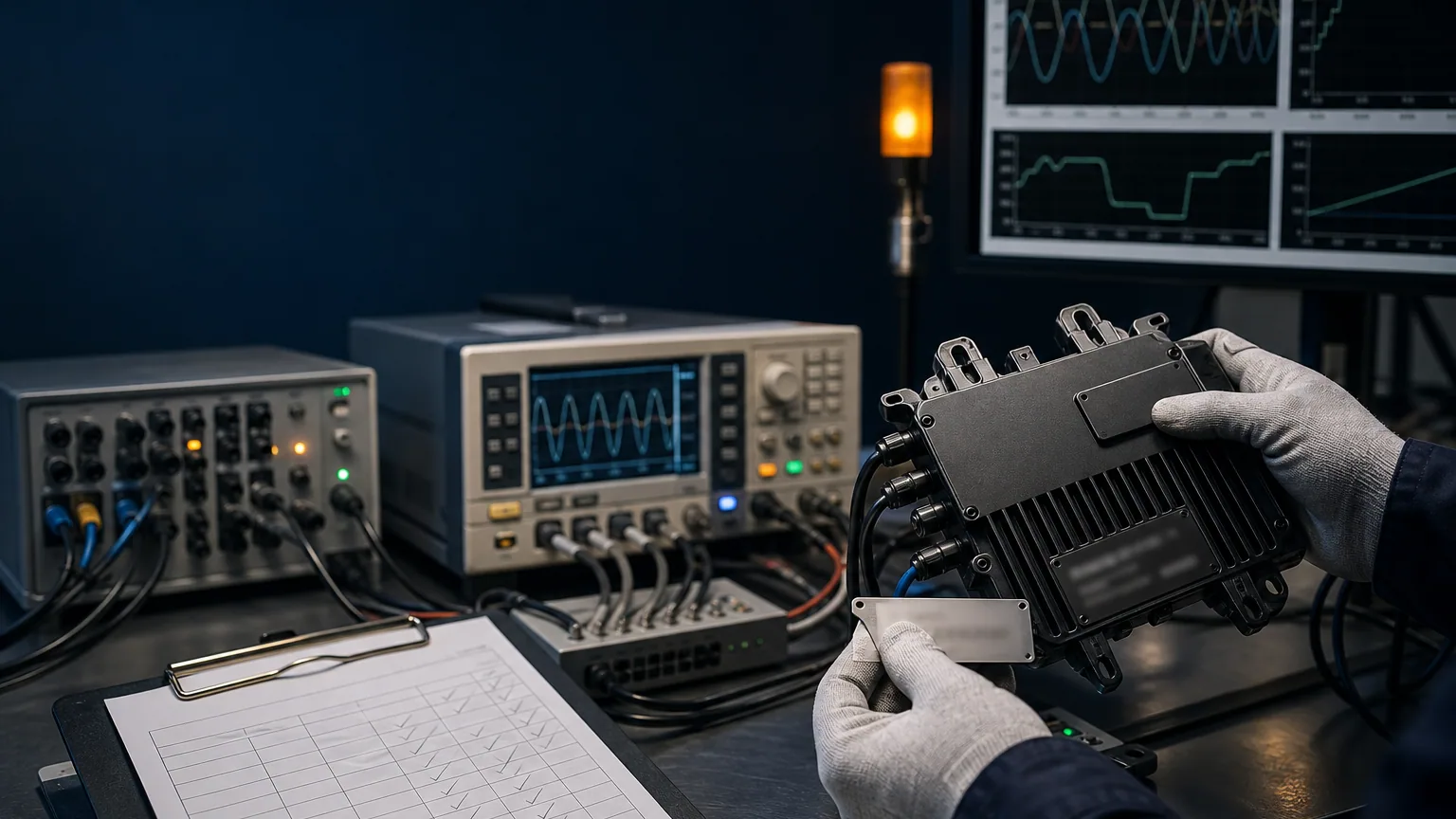
A statement that an inverter “supports IEEE 1547” is not a complete US market-access file. IEEE 1547.1 defines conformance test procedures, while certification programs, safety standards, utility rules and equipment lists determine how the evidence is used.
Start with the exact sales configuration
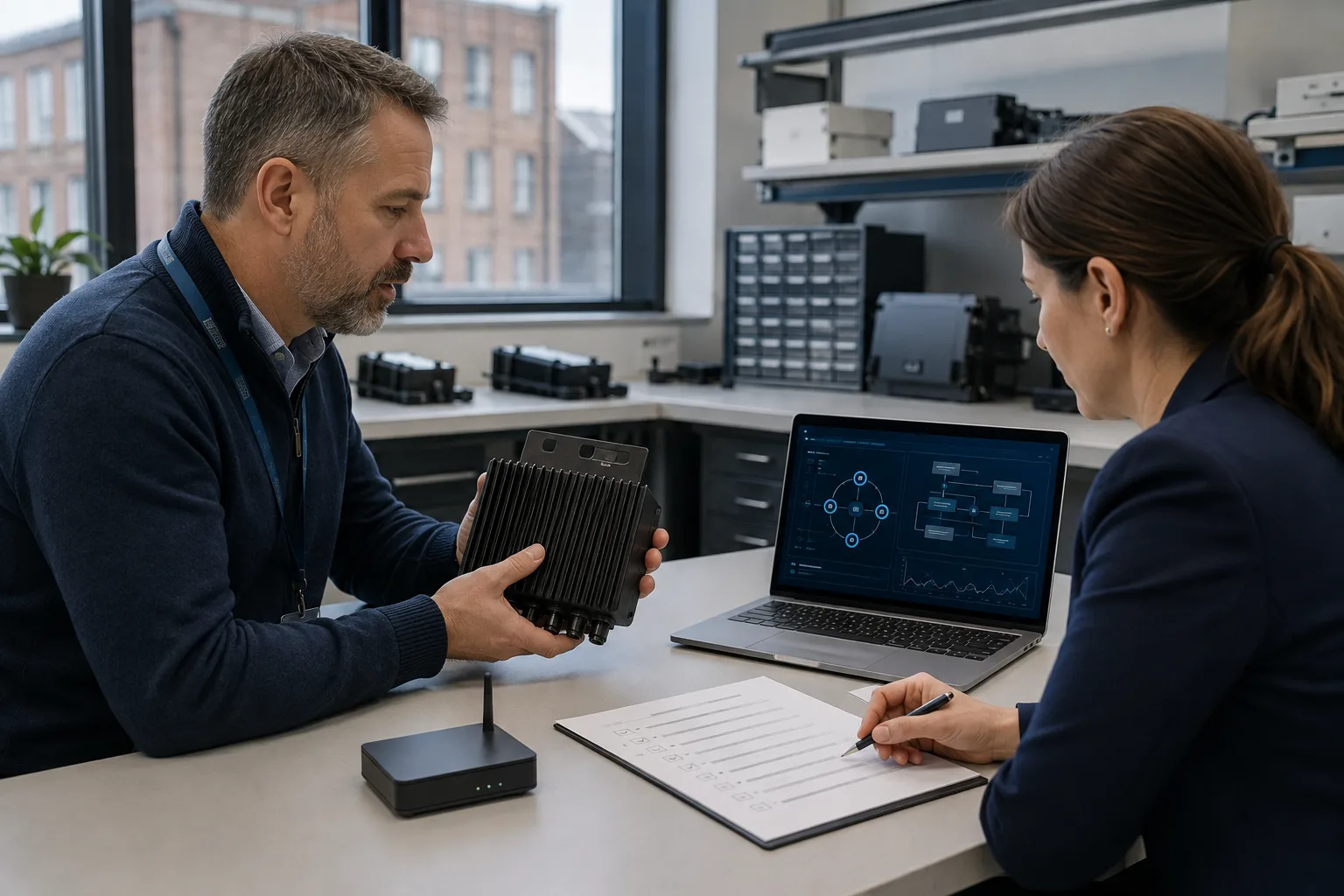
Freeze manufacturer name, model number, AC rating, voltage, hardware version, firmware, communications option and country profile. The test evidence must cover that configuration or clearly explain an approved family relationship.
IEEE 1547.1-2020 addresses conformance testing for equipment interconnecting distributed energy resources with electric power systems. It does not replace product safety certification, installation code or utility approval.
Build a traceability chain
Request the certificate and underlying report references, then map them to the published datasheet and nameplate. Record the testing laboratory and certification body, standards/editions, configuration options and report limitations.
| Evidence layer | Procurement check |
|---|---|
| IEEE 1547.1 testing | Exact edition and model scope |
| Safety/grid-interactive certification | Current certificate and conditions |
| Smart-inverter functions | Supported modes and profile controls |
| Firmware control | Tested version and update policy |
| CEC equipment list | Exact public model entry |
| Utility approval | Project-specific acceptance route |
The CEC states that its Solar Equipment Lists are based on manufacturer-submitted information and that listing does not itself guarantee the data. Some utilities and local agencies use the lists, so the current entry is important but should be cross-checked with the evidence pack.
Verify smart-inverter functions and defaults
Check voltage/reactive-power modes, voltage/active-power behavior, frequency response, ride-through, enter-service and interoperability as required by the target rule. Confirm which are enabled by default, which require an authorized profile and which priority logic applies.
Use the Volt-VAR and Volt-Watt commissioning guide to define the field record. Availability in an app menu is not proof that a function was certified for the quoted configuration.
Check the public list at order release
Equipment lists can change. Save the model entry, access date and relevant notes when the order is released, then recheck before project submission. Look for suffixes, voltage variants, firmware notes and paired equipment that distinguish similar names.
Do not represent a CEC listing as blanket approval across the United States. The utility, state and AHJ may require additional registration, interconnection studies or documents.
Control changes after approval
Require supplier notification for hardware, firmware, protective settings, radio module or critical component changes. Ask whether a certification review or list update is required. A cosmetic product name change also needs traceability so documents remain aligned.
The commissioning pack should preserve serial numbers, profile, firmware and utility acceptance. Anti-islanding is part of the wider interconnection evidence, not the whole of it; see the anti-islanding guide.
Send the target utility, exact model, voltage and required equipment-list route through TMG Contact. TMG can assemble a gap matrix so commercial approval waits for evidence—not assumptions.
Sources & further reading
- https://standards.ieee.org/ieee/1547.1/6039/
- https://www.energy.ca.gov/programs-and-topics/programs/solar-equipment-lists
- https://www.energy.ca.gov/sites/default/files/2022-03/Inverter_Listing_Request_Instructions_ADA.pdf
Last reviewed February 21, 2025.