
Anonymous engineering references

Project thinking, with the assumptions left visible.

See how current APLV, APHV and micro generation platforms can be configured for recurring B2B requirements—without invented customer names, production results or market approvals.

Disclosure

These are anonymized engineering configuration references built from recurring B2B requirements and current published TMG product data. They are not presented as commissioned customer sites unless separately identified. Every case includes open items that must be resolved before quotation, installation or compliance release.

Configuration library

6 recurring purchasing situations mapped to published product limits.

Representative balcony solar configuration using a microinverter and lightweight modulesBalcony System
Preliminary configuration referenceRegional solar distributor · identity withheld

European 230 V retail channel

Two-Module Balcony Kit for a European Distributor

A distributor needs one controlled carton containing lightweight modules, conversion, cables, monitoring instructions and destination-market documentation.

Preliminary configuration

Micro Generation System + APLV starting point

2-in-1 flexible-module package with an APLV model selected after the module datasheet review.

Published design basis

  • 2-in-1 system format is available as a project-configured starting point
  • APLV family supports 16–60 V MPPT and Smart Life monitoring
  • APLV-700/800/1000 provide two-module starting configurations up to 2 × 435/500/625 W input

Still to be confirmed

  • Final module Voc, Vmp, Isc and Imp
  • Permitted AC output and connection method
  • Mounting/wind design, plug, cable and label language
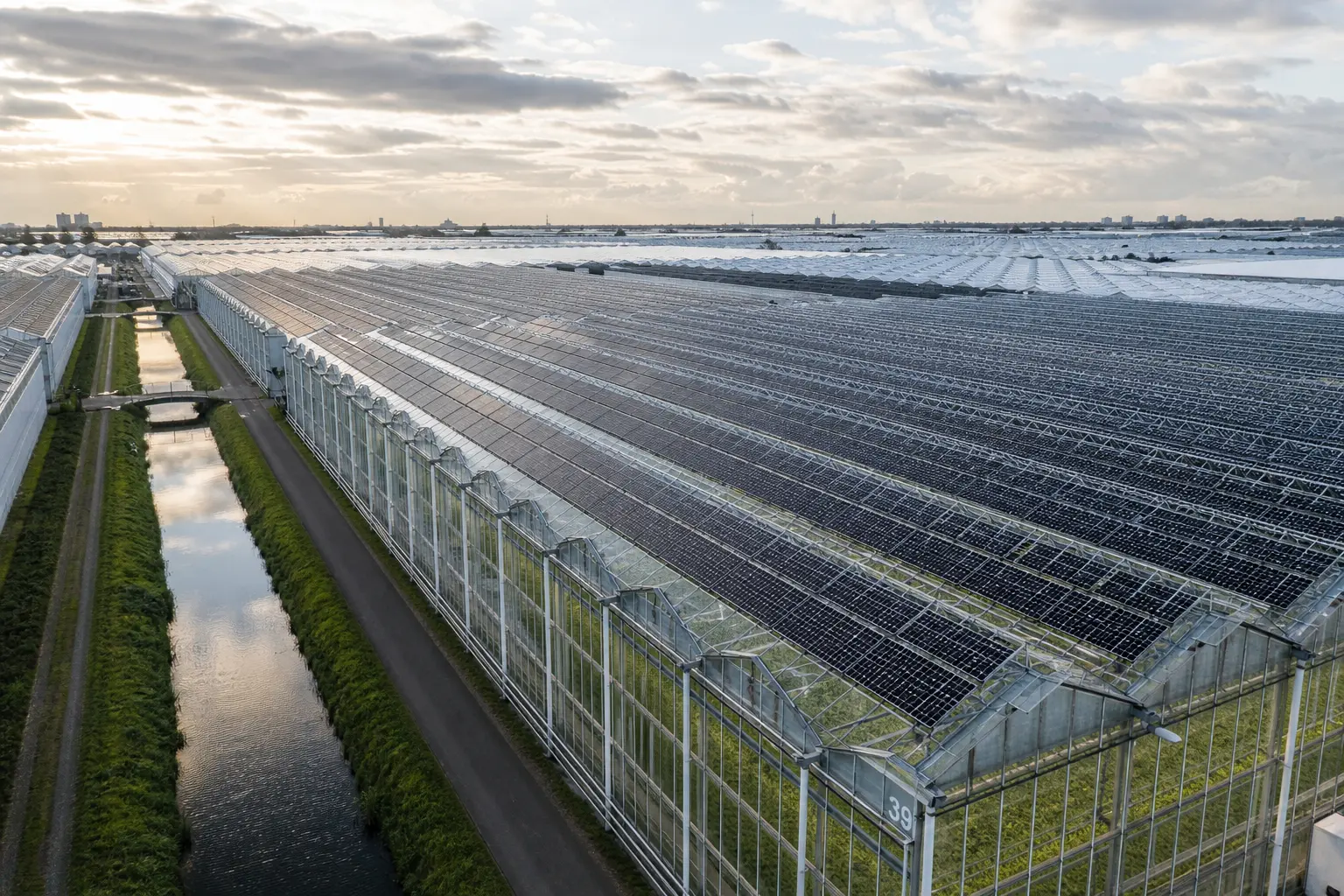
Representative segmented photovoltaic installation for a specialty module pilotModule Integration
Electrical feasibility referenceSpecialty PV module developer · identity withheld

European R&D and demonstration application

High-Voltage Specialty PV Pilot for a Module Developer

The module developer needs module-level conversion for a high-voltage, lower-current prototype without assuming compatibility from cell technology alone.

Preliminary configuration

APHV-1000 preliminary selection

Two independent specialty PV module inputs, each reviewed against the APHV-1000 voltage, current and power envelope.

Published design basis

  • APHV working range: 80–230 V DC; starting voltage above 80 V
  • APHV-1000 maximum PV input: 2 × 625 W
  • APHV-1000 maximum input current: 2 × 13 A; short-circuit current: 2 × 15 A

Still to be confirmed

  • Cold-corrected Voc and full Vmp range
  • Connector and insulation interface
  • Thermal behavior, grid profile and sample test plan
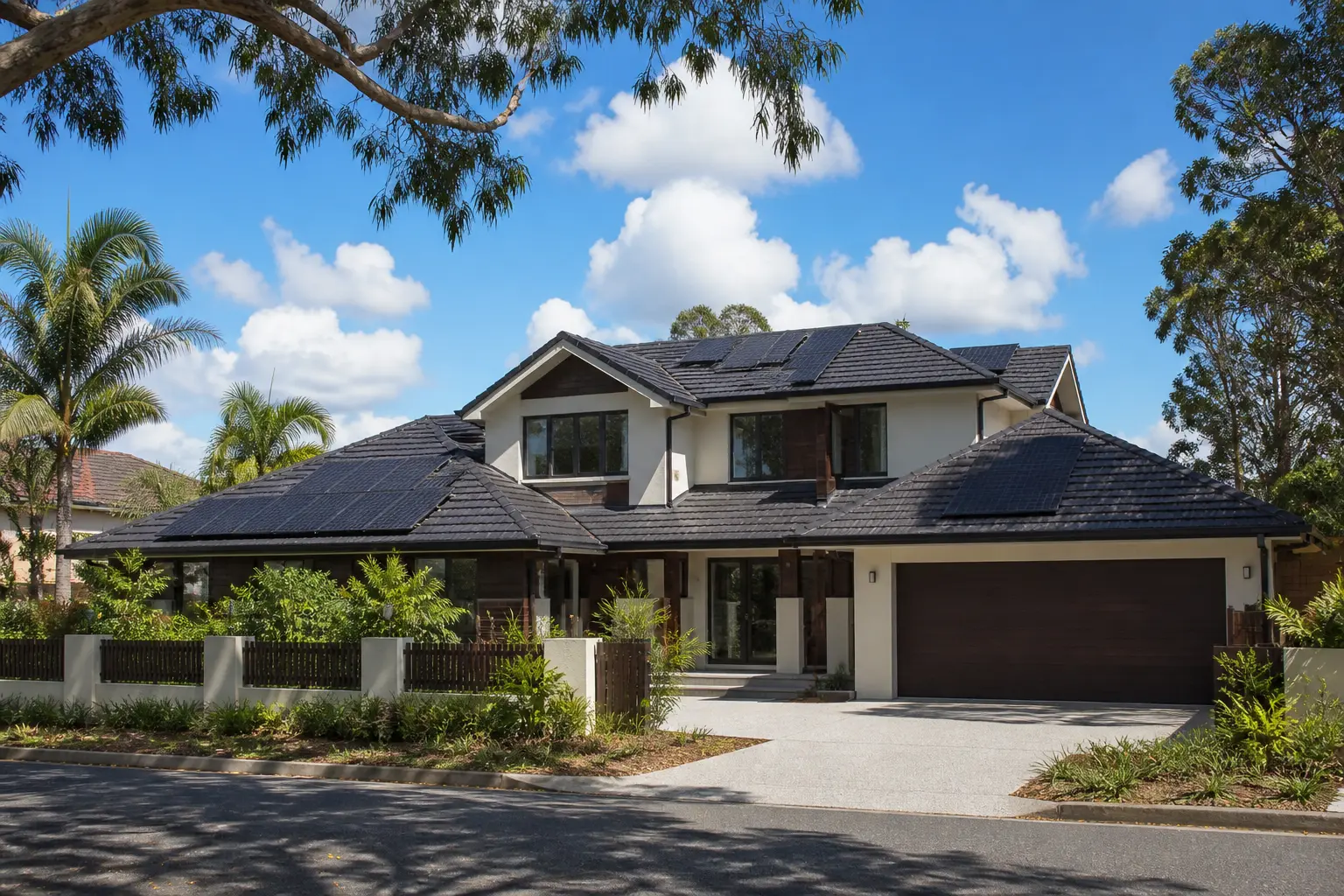
Representative multi-orientation residential solar roofResidential
Quotation-stage design referenceResidential EPC · identity withheld

230 V residential application

Dual-Orientation Residential Roof for an EPC

A complex roof requires module-level input allocation and clear separation of shading assumptions from clipping and grid constraints.

Preliminary configuration

APLV-1000 preliminary selection

Two modules assigned to a two-input APLV-1000 unit, with roof orientation and shading documented per module position.

Published design basis

  • APLV-1000 rated AC output: 1,000 W
  • Maximum PV input: 2 × 625 W
  • MPPT operating voltage: 16–60 V DC; IP67 fanless platform

Still to be confirmed

  • Exact module datasheet and cold-temperature voltage
  • AC branch, voltage rise and phase allocation
  • Country-profile evidence and final roof layout
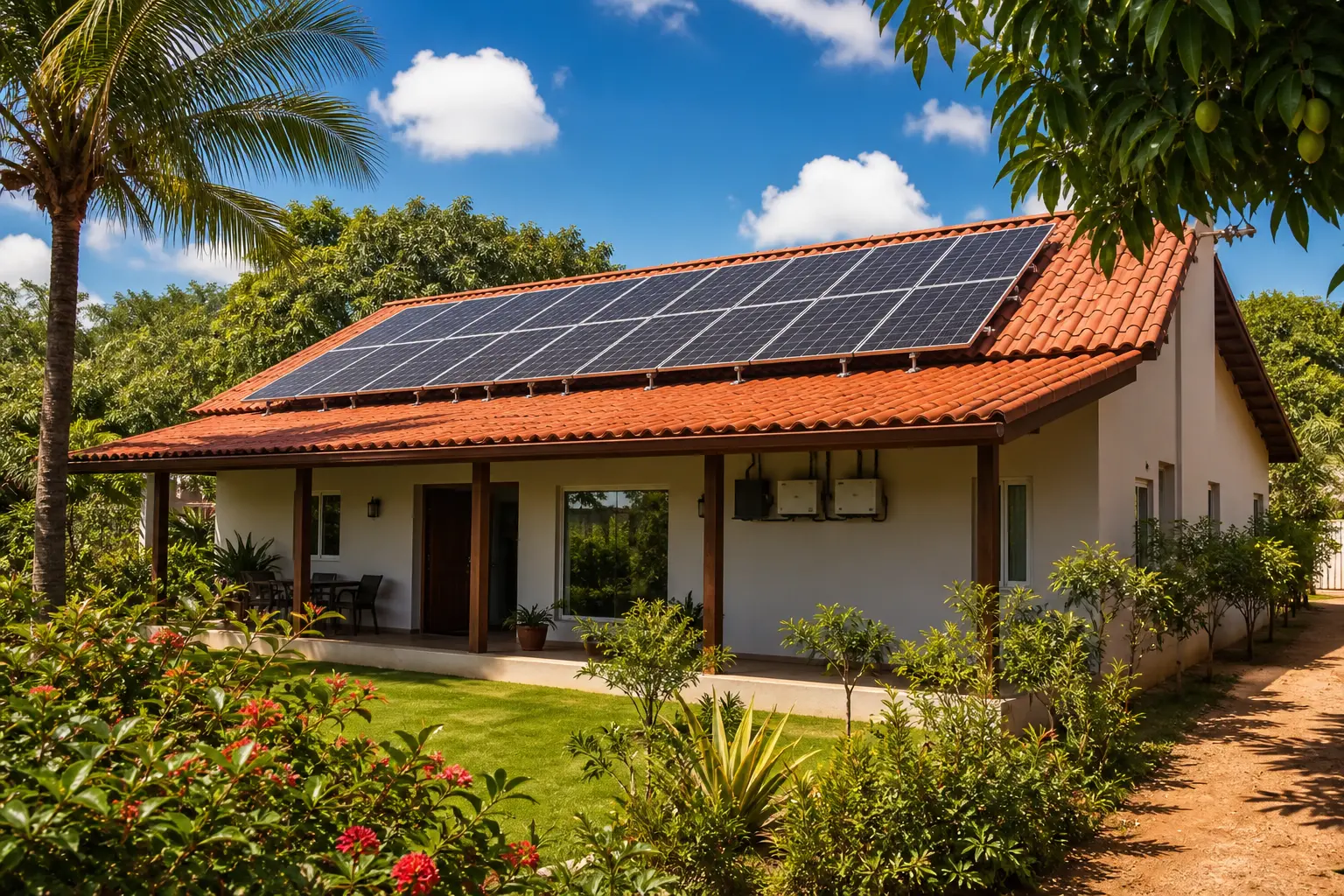
Representative warm-climate residential solar and backup-power applicationHybrid Backup
Architecture review referenceEnergy-system integrator · identity withheld

Warm-climate residential backup application

Low-Voltage Hybrid System for Defined Critical Loads

The integrator needs grid-tied production, PV battery charging and an independent off-grid output without making an unsupported whole-home backup promise.

Preliminary configuration

APLV-2000 preliminary selection

Four PV module inputs feeding a 2,000 W APLV platform, with critical loads separated for off-grid operation.

Published design basis

  • APLV-2000 rated AC output: 2,000 W
  • Maximum PV input: 4 × 625 W; MPPT range: 16–60 V
  • Off-grid operating input range: 24–60 V; operating temperature: -40 to +65 °C

Still to be confirmed

  • Battery voltage/current, BMS and protection
  • Measured continuous and surge load schedule
  • Transfer, neutral/earthing, grid profile and market approval
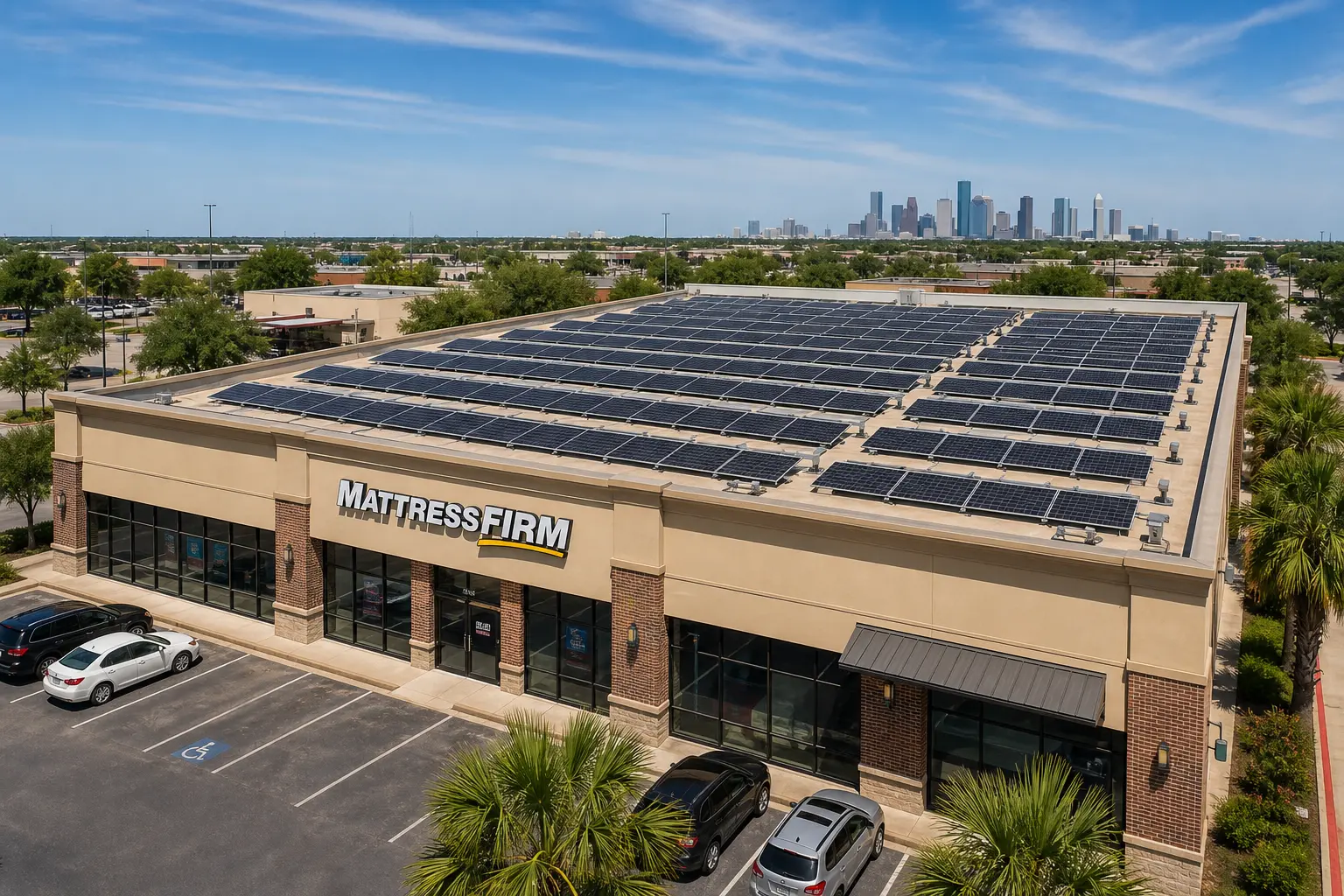
Representative small commercial rooftop microinverter applicationCommercial
Control-architecture referenceCommercial EPC · identity withheld

230 V small commercial rooftop

10 kW AC Design Unit with Site Export Management

The EPC needs a repeatable design unit for a limited-export site, with the meter, controller, communications and inverter response treated as one loop.

Preliminary configuration

10 × APHV-1000 design unit

Ten APHV-1000 units on a documented 230 V branch starting point, coordinated with PCC measurement and compatible LAN anti-backflow control.

Published design basis

  • APHV-1000 rated AC output: 1,000 W per unit
  • Published maximum: 10 units per branch at 230 V
  • APHV supports LAN high-speed anti-backflow control in compatible configurations

Still to be confirmed

  • Cable, protection, voltage rise and local branch rules
  • Meter/controller compatibility and fail-safe behavior
  • Network-operator export agreement and commissioning test
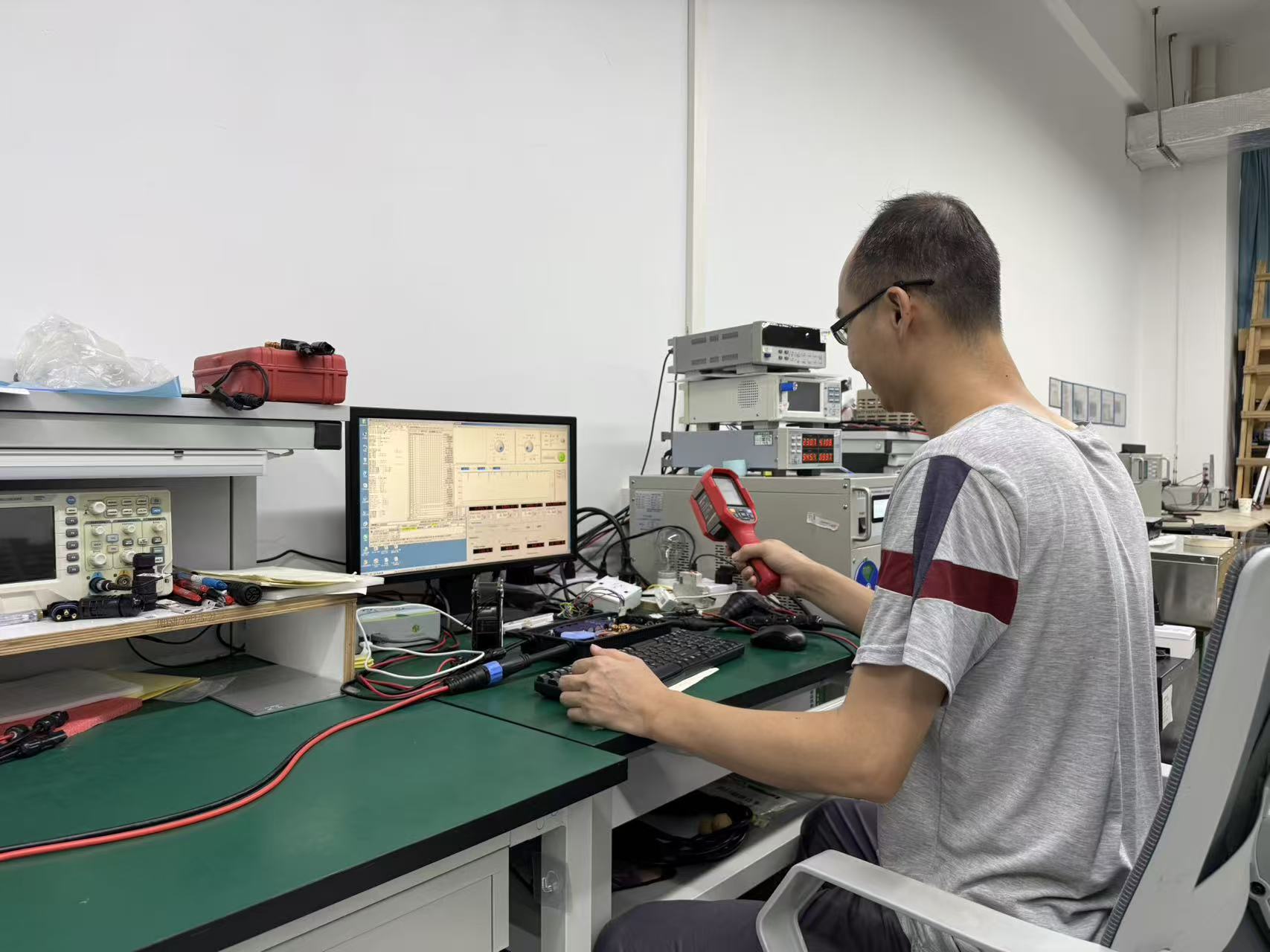
Representative power electronics sample evaluation in a laboratoryOEM Evaluation
Procurement-process referencePrivate-label importer · identity withheld

Multi-market distributor evaluation

Private-Label Sample Release for a Solar Importer

The importer needs an auditable decision record before approving private-label artwork and a volume purchase order.

Preliminary configuration

APLV and APHV samples under comparison

Model-specific samples reviewed with their production-intent accessories, firmware, technical files, labels and export packaging.

Published design basis

  • Published product data establishes the starting test envelope
  • Each sample is traced by model, hardware, firmware and accessory BOM
  • Electrical, monitoring, thermal, documentation and packaging checks remain separate hold points

Still to be confirmed

  • Destination-market conformity gaps
  • Warranty, spares and support workflow
  • Corrective-action closure and production change controls

Turn a reference into your project

Replace every assumption with your site data.

Send the module datasheet, country, grid, quantity, layout and operating objective. We will identify a preliminary model and return the decisions that still need engineering or compliance confirmation.

Discuss a real configuration

Minimum useful input set

  1. 01 · PV module electrical datasheet
  2. 02 · Destination market and grid voltage
  3. 03 · Module count, orientation and site constraints
  4. 04 · Grid-tied, hybrid, off-grid or export-control objective
  5. 05 · Quantity, timing and OEM/document requirements