
Commercial rooftop microinverter system for anti-backflow EPC design

EPC Export Management

Microinverter Anti-Backflow Solutions for EPC Projects

TMG APLV and APHV platforms support LAN high-speed anti-backflow control in compatible configurations. The project result depends on correct PCC measurement, controller compatibility, network design, response behavior and utility acceptance.

Supported families

APLV and APHV

Control path

PCC measurement · LAN communication · inverter response

Project gate

Single-line and fail-safe review before quotation

Qualification boundary

A useful starting point, with the unknowns left visible.

“Zero export” is a control objective, not a guarantee of absolute zero energy in every transient. The network operator defines the accepted limit, response and evidence.

Design the complete control loop

An app power limit on one inverter is not the same as a site export-management scheme.

DecisionStarting pointConfirm before release
MeasurementMeter or CT at the defined point of common couplingLocation, direction, phases, accuracy, import/export sign and sampling
CommunicationsCompatible LAN control pathTopology, latency, addressing, cable/network resilience and ownership
Inverter responseControlled APLV or APHV fleetModel/firmware, aggregate power, ramp behavior and minimum stable output
Failure stateDocumented response to meter, controller or network lossUtility rule, safe fallback, alarms and recovery procedure

Relevant platforms

Start the model review here.

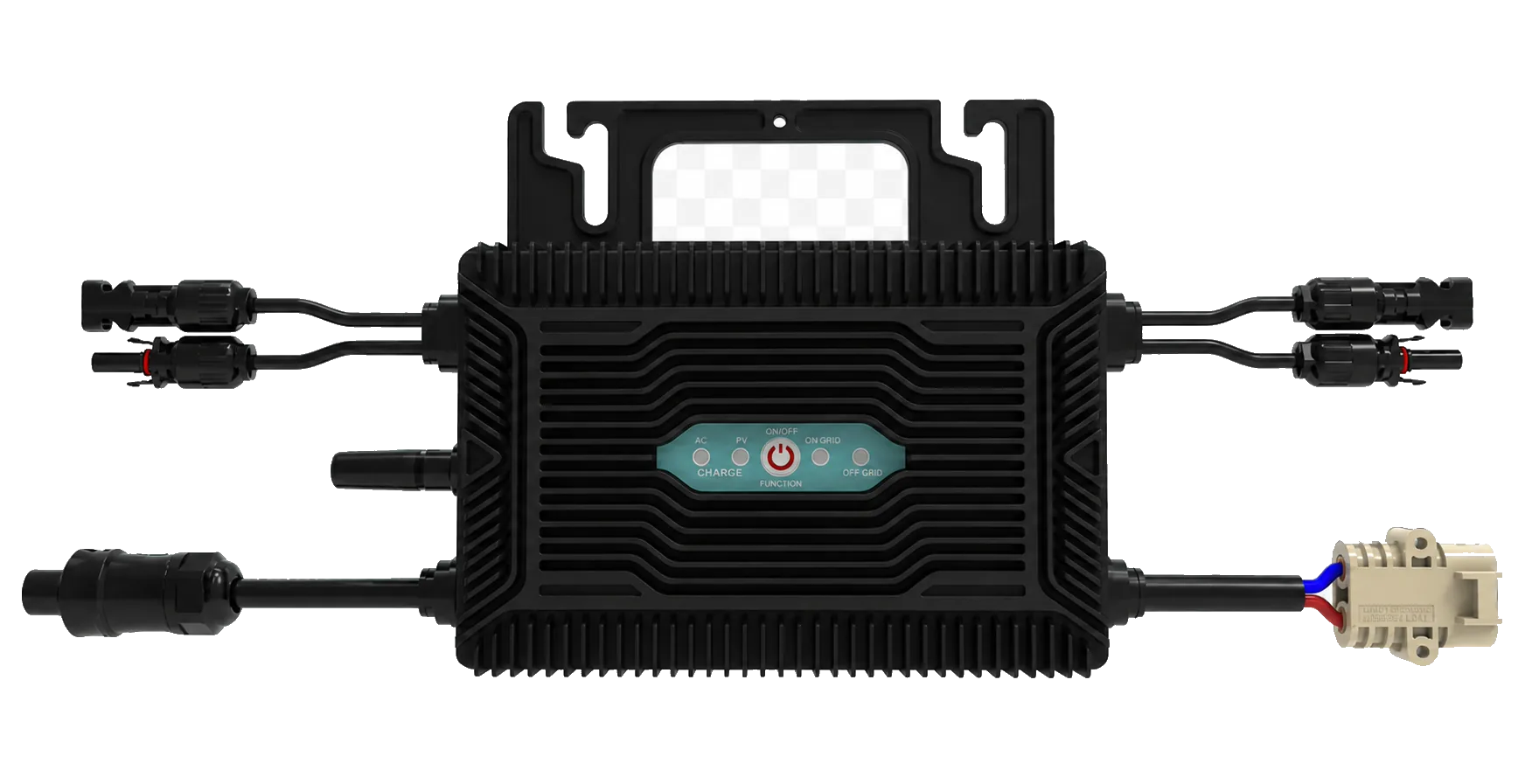
APLV Series

Low-voltage hybrid microinverter

APLV Series

The APLV series combines grid-tied output, independent off-grid output, PV battery charging and scheduled AC reverse charging. Its DAB dual full-bridge topology, full isolation and 16–60 V MPPT range support flexible residential, balcony and distributed energy designs from 400 W to 4,000 W.

Technical data and models →
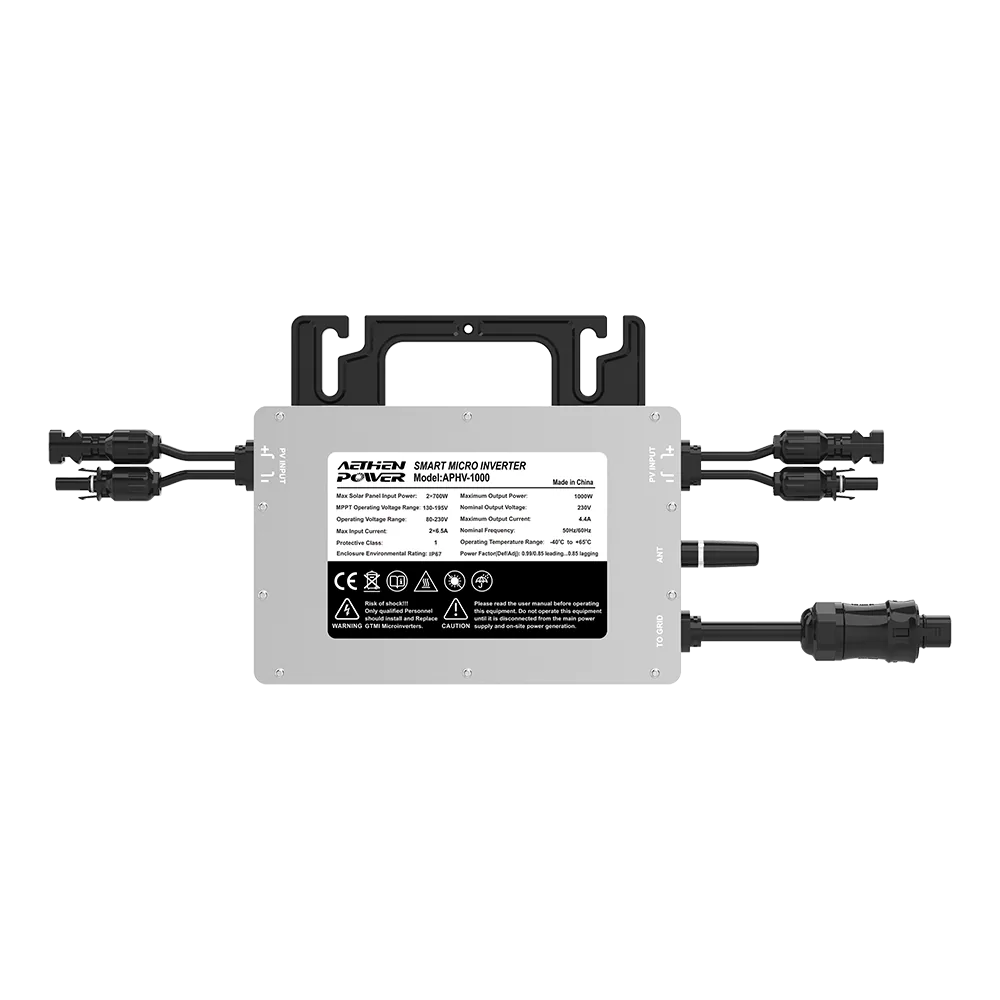
APHV Series

High-voltage grid-tied microinverter

APHV Series

The APHV series is designed for high-voltage, low-current PV architectures using crystalline silicon, perovskite and other thin-film modules. Two independent PV inputs, 80–230 V operation and intelligent anti-backflow control create a compact 700–1,000 W grid-tied platform.

Technical data and models →

Review output

What the first engineering response should contain.

  • PCC and control single-line review
  • Meter/controller/inverter compatibility matrix
  • Communications topology and responsibility map
  • Fail-safe and recovery question list
  • Commissioning record outline
01

Confirm the export agreement

Record the permitted value, measurement point, network operator and required evidence.

02

Map every control component

Freeze meter, controller, network, inverter models, firmware and phase allocation.

03

Commission at the PCC

Verify direction, response, communications-loss behavior, alarms and recovery under an approved test plan.

Buyer questions

Frequently asked questions

Is remote output adjustment the same as anti-backflow control?

No. Site anti-backflow requires measurement at the agreed connection point and a coordinated closed control loop accepted for the project.

Can APLV and APHV both be considered?

Both families list LAN high-speed anti-backflow support, but the exact controller, model, firmware and system architecture must be confirmed.

What should an EPC send for review?

Provide the single-line diagram, PCC, phase arrangement, permitted export, existing generation/storage, proposed inverter schedule and communications constraints.

Project RFQ

Send enough data for a useful answer.

The form is routed to sales@tmgteck.com. We will use your module, market and quantity data to prepare a preliminary configuration review.