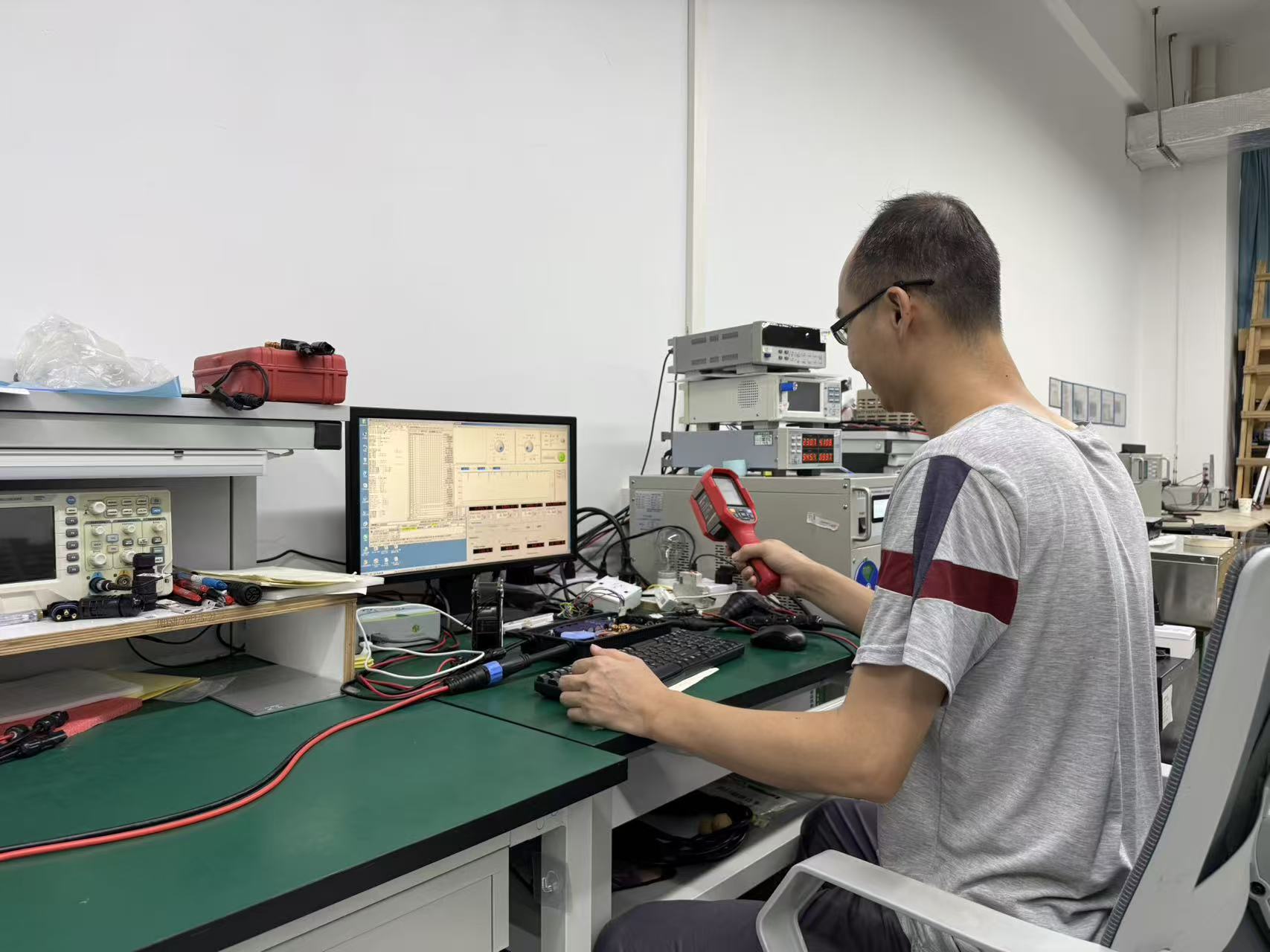
Microinverter sample evaluation in a power electronics engineering laboratory

Private-Label Procurement

Private-Label Microinverter Sample Evaluation Program

A sample should answer whether the exact product, accessories, firmware, evidence and packaging are suitable for the intended market. TMG can organize the review around measurable hold points rather than a pass/fail power-on demonstration.

Review layers

Identity · electrical · thermal · monitoring · documents · packaging

Traceability

Model, hardware, firmware, accessories and report revision

Decision output

Approve · conditional approval · corrective action · reject

Qualification boundary

A useful starting point, with the unknowns left visible.

Commercial sample testing does not replace accredited certification or project approval. Test scope, equipment, acceptance limits and responsibilities must be agreed in advance.

Make the sample representative of the intended order

A hand-built demonstration unit is not enough. The reviewed unit and accessories should map to a controlled production proposal.

DecisionStarting pointConfirm before release
Identity and BOMNameplate, serial, model, hardware and firmware recordedCritical components and accessories match the quoted configuration
Electrical operationStartup, MPPT, output and protection indicationsTest conditions, instruments, uncertainty and acceptance limits
Environmental behaviorThermal and enclosure review within declared limitsMounting, temperature, derating, sealing and post-test function
Commercial readinessDocuments, labels, packaging and support routeLanguage, target-market gaps, spares, warranty and change notification

Relevant platforms

Start the model review here.

APLV Series

Low-voltage hybrid microinverter

APLV Series

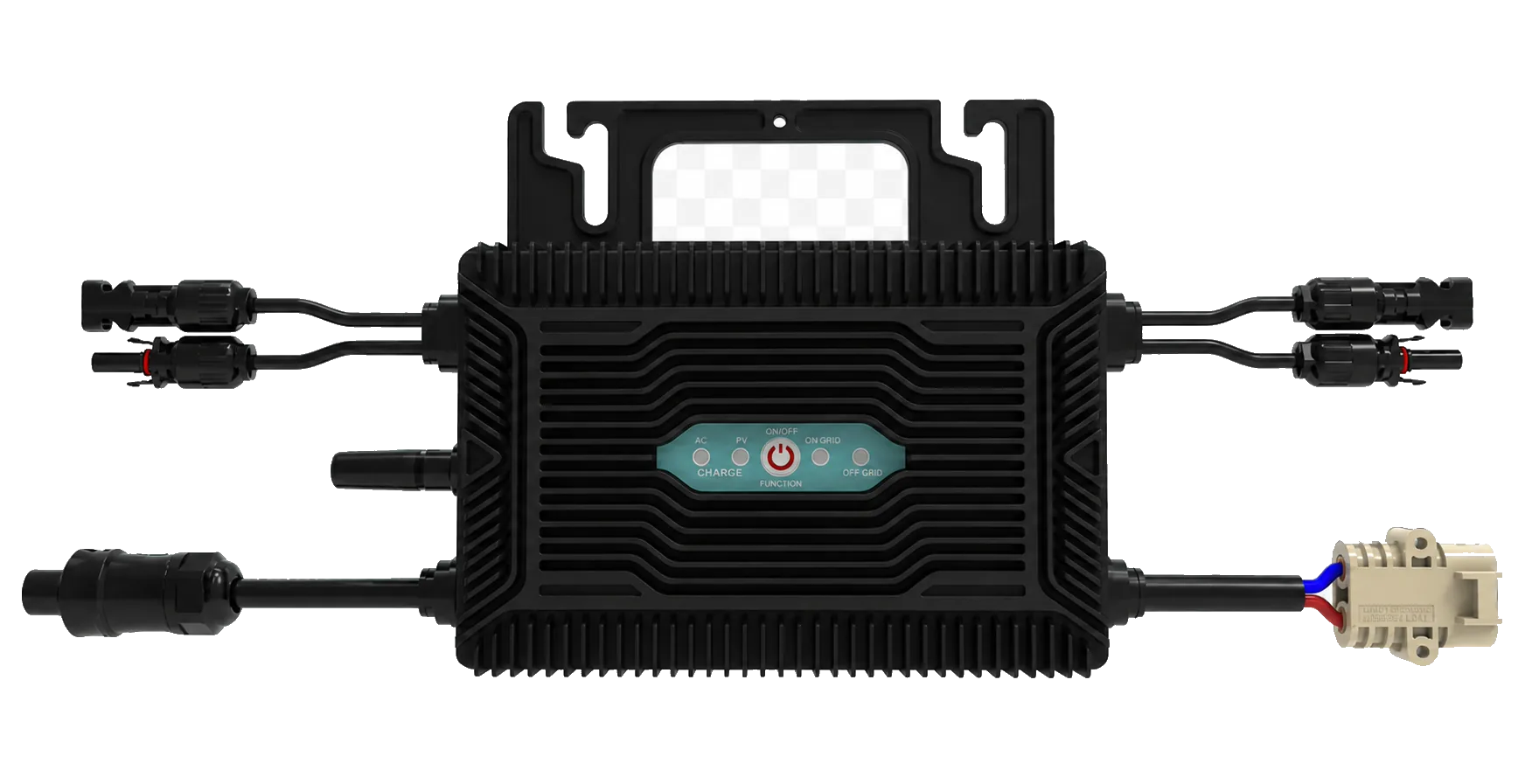
The APLV series combines grid-tied output, independent off-grid output, PV battery charging and scheduled AC reverse charging. Its DAB dual full-bridge topology, full isolation and 16–60 V MPPT range support flexible residential, balcony and distributed energy designs from 400 W to 4,000 W.

Technical data and models →
APHV Series

High-voltage grid-tied microinverter

APHV Series

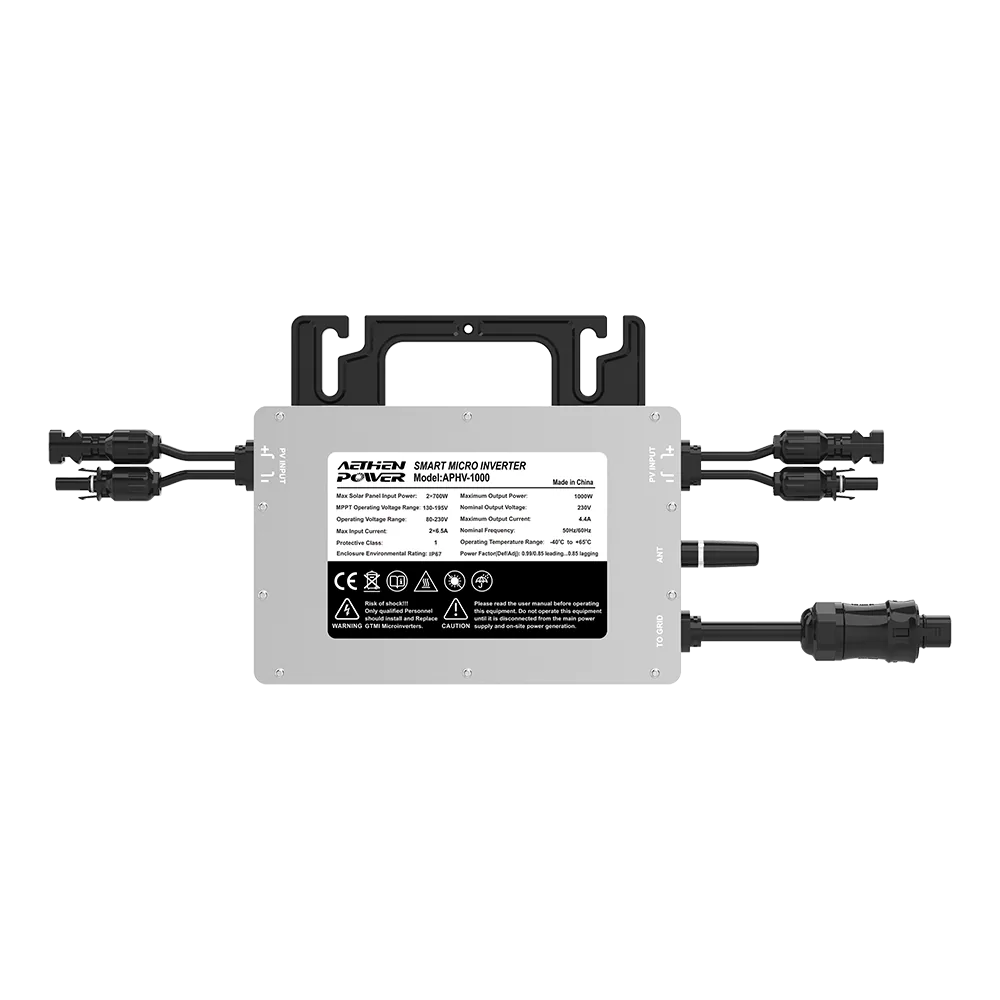
The APHV series is designed for high-voltage, low-current PV architectures using crystalline silicon, perovskite and other thin-film modules. Two independent PV inputs, 80–230 V operation and intelligent anti-backflow control create a compact 700–1,000 W grid-tied platform.

Technical data and models →
Micro Generation System

Portable plug-and-play solar kit

Micro Generation System

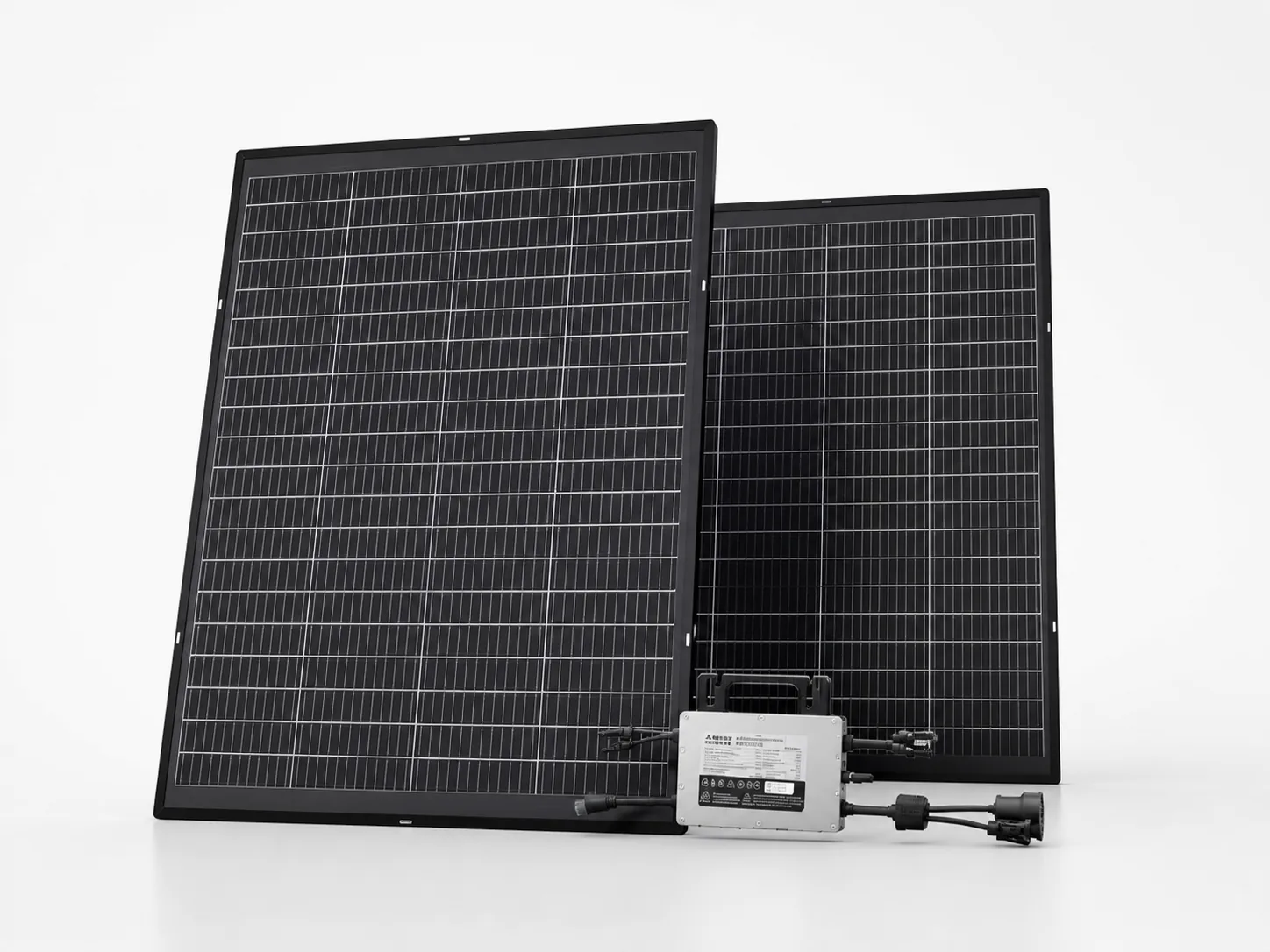
A compact micro generation package pairing flexible lightweight PV modules with a smart microinverter. The 2-in-1 and 4-in-1 configurations are designed for balconies, temporary sites, mobile applications and other locations where low weight and fast deployment matter.

Technical data and models →

Review output

What the first engineering response should contain.

  • Sample identity and configuration record
  • Agreed functional test matrix
  • Technical-document gap register
  • Packaging and accessory inspection sheet
  • Corrective-action and production-release log
01

Agree the test objective

Define the target product, market, use case, acceptance limits and evidence required for the buying decision.

02

Test and document the exact sample

Record instruments, conditions, observations, deviations, photographs and raw results.

03

Close gaps before the PO

Link every correction to a new revision and confirm it in the production BOM, documents and inspection plan.

Buyer questions

Frequently asked questions

Can a sample pass replace product certification?

No. A commercial evaluation checks procurement suitability. Required accredited tests, certification, listing and local approval remain separate.

Should firmware be recorded during sample approval?

Yes. Firmware can affect monitoring, settings and grid behavior, so the tested version and update/change policy should be traceable.

Which sample should be tested first?

Choose the model and accessory configuration closest to the intended first order, including the destination-market label, cables, monitoring and packaging where possible.

Project RFQ

Send enough data for a useful answer.

The form is routed to sales@tmgteck.com. We will use your module, market and quantity data to prepare a preliminary configuration review.