High-Altitude Microinverter Projects: Derating and Insulation Evidence
A quotation-stage review of thinner-air cooling, electrical clearances, ambient limits and model-specific altitude declarations for mountain PV projects.

TMG Technical Team
Product Reliability
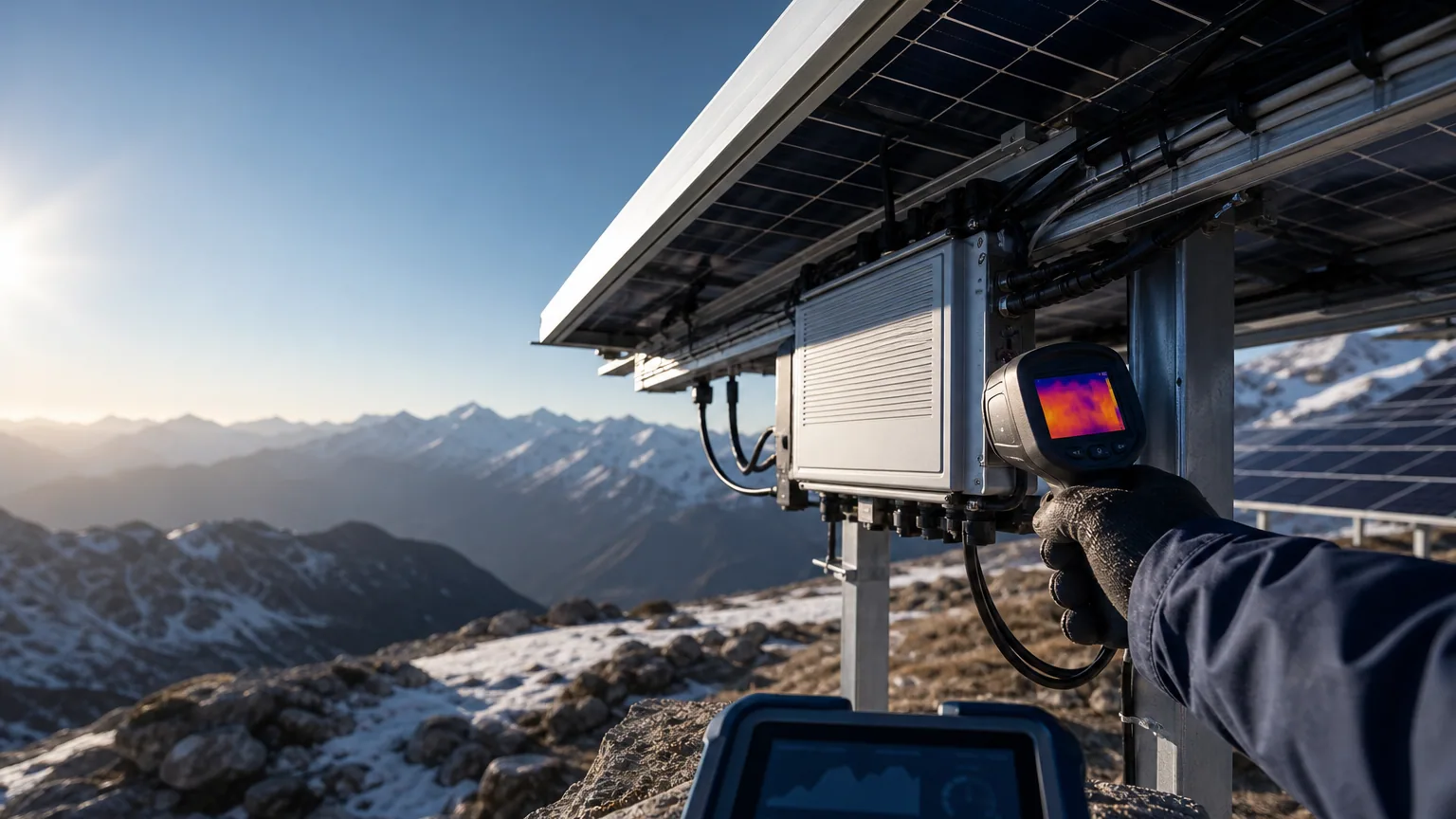
A microinverter that operates at sea level is not automatically approved for a mountain site. Lower air density can reduce convective cooling and electrical breakdown strength. Low ambient temperature does not remove those design questions.
The procurement objective is to match the exact installation altitude to the manufacturer's declared operating envelope and safety evidence—not to apply a universal rule of thumb.
Freeze altitude and local conditions
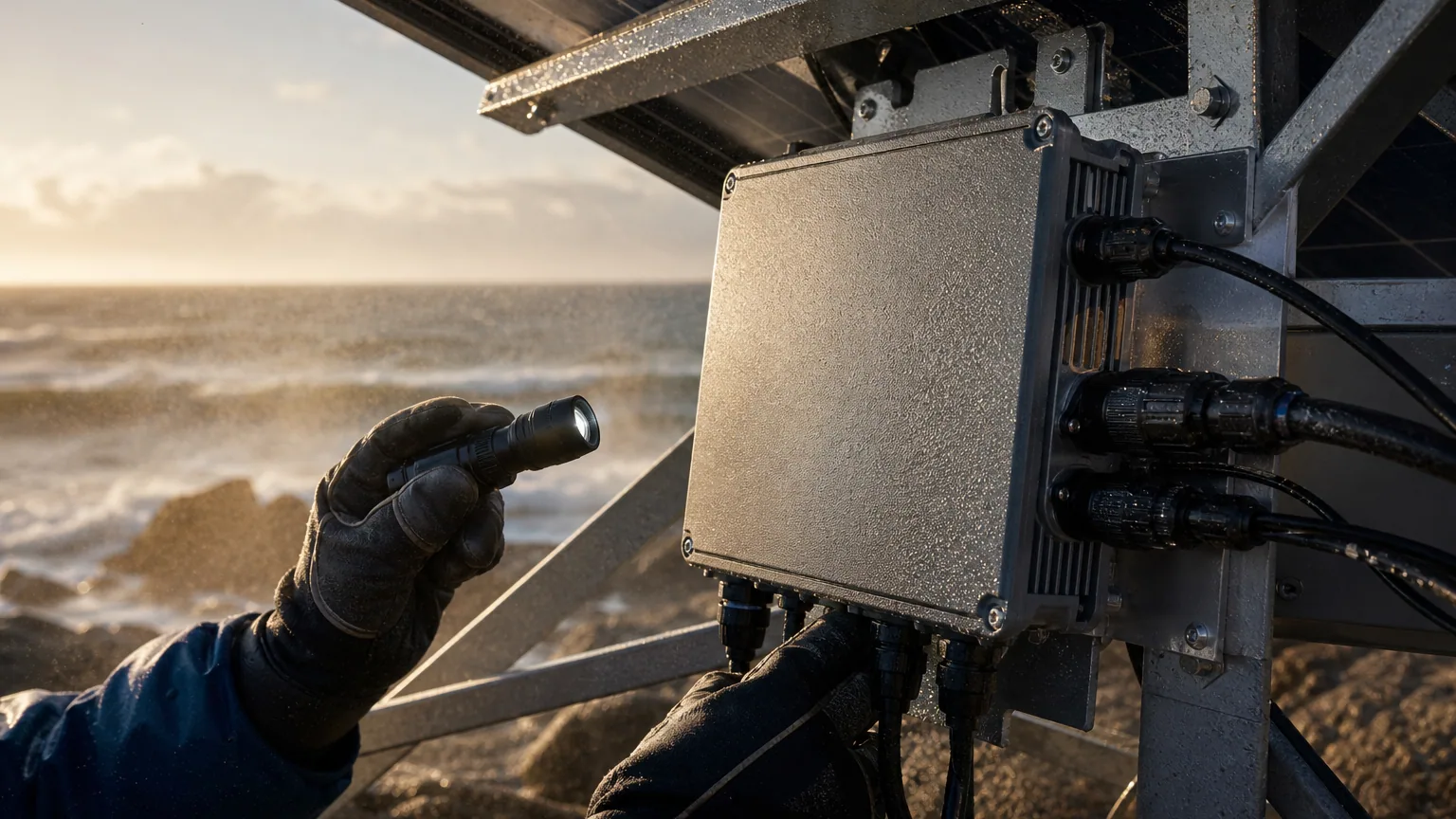
Record elevation above mean sea level for the inverter location, not the nearest city. Add minimum and maximum ambient temperature, solar exposure, snow cover, wind, mounting clearance, roof material and enclosure arrangement.
Sites with large day-night swings also need condensation and freeze-thaw consideration. A high IP rating does not by itself prove suitability for internal condensation or high-altitude insulation coordination.
Review cooling and insulation separately
Reduced air density can lower natural-convection heat transfer. Ask for rated-power availability or a derating curve at the proposed altitude and temperature. The hot-climate derating guide explains how mounting and local temperature affect the same thermal budget.
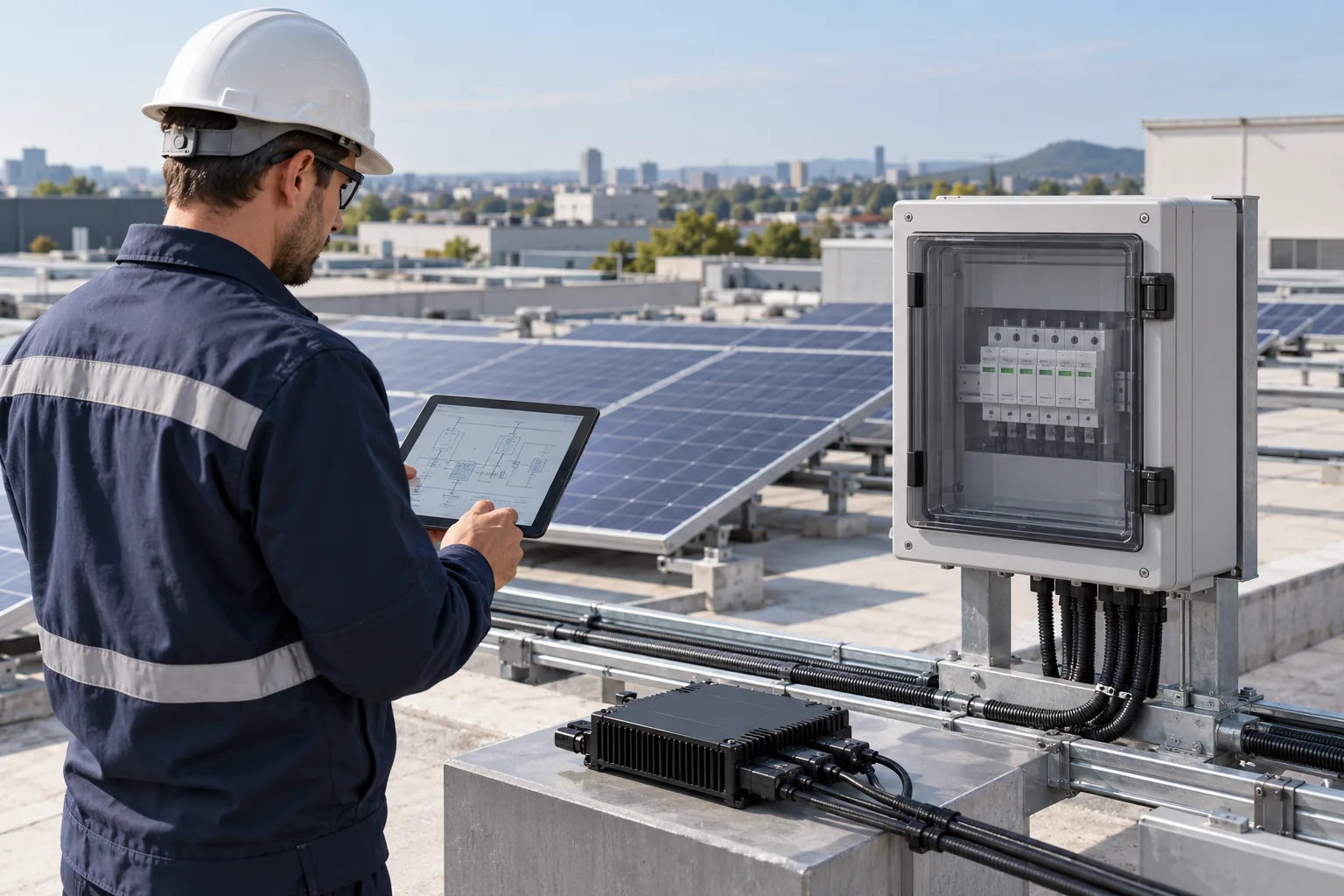
Electrical clearances may require altitude correction because air insulation strength changes. IEC 62109-1 provides general safety requirements for PV power-conversion equipment, while IEC 62109-2 covers inverter-specific requirements. Procurement teams should request the test report or design declaration showing how the quoted model addresses the intended altitude.
| Question | Evidence to request | Do not assume |
|---|---|---|
| Maximum operating altitude | Datasheet/manual for exact model | Family brochure covers every variant |
| Rated output at altitude | Derating curve or engineering statement | Cold air guarantees full output |
| Clearance/insulation | Safety report scope or declaration | IP rating proves insulation coordination |
| Low-temperature start | Operating/startup limits | Storage minimum equals operating minimum |
| Condensation | Installation orientation and controls | Sealed enclosure cannot condense |
Check every accessory in the system
The inverter is only one item. Confirm altitude ratings for AC connectors, isolators, protective devices, gateways, enclosures and any battery equipment. Cable ampacity and voltage drop still require project calculations.
For outdoor connectors, inspect sealing and strain relief after cold-temperature handling. Snow or ice must not block drainage or place mechanical load on unsupported cables.
Turn the review into an approval gate
Issue a written altitude schedule containing site elevation, model, hardware revision, rated output, derating rule, temperature range and any mounting restrictions. If the manufacturer has not declared the requested condition, classify it as an open engineering item—not an installer adjustment.
For samples, verify cold startup and stable operation only within safe laboratory capability. Thermal imaging at representative power can identify local hotspots, but it does not replace the manufacturer's altitude qualification.
Keep the quotation conditional until evidence is closed
A useful quotation note is specific:
Selection is based on installation at the declared elevation and mounting condition. Final approval requires model-specific altitude, thermal-output and safety evidence plus confirmation of all accessories.
Send elevation, temperature range, module datasheet, mounting section and required continuous power through TMG Contact. TMG can review the product envelope before a production BOM is frozen.
Sources & further reading
Last reviewed June 5, 2024.