What IP67 Does and Does Not Prove for an Outdoor Microinverter
Use the enclosure rating correctly when reviewing mounting, connectors, drainage, sample tests and supplier evidence for outdoor projects.

TMG Technical Team
Quality & Applications Engineering
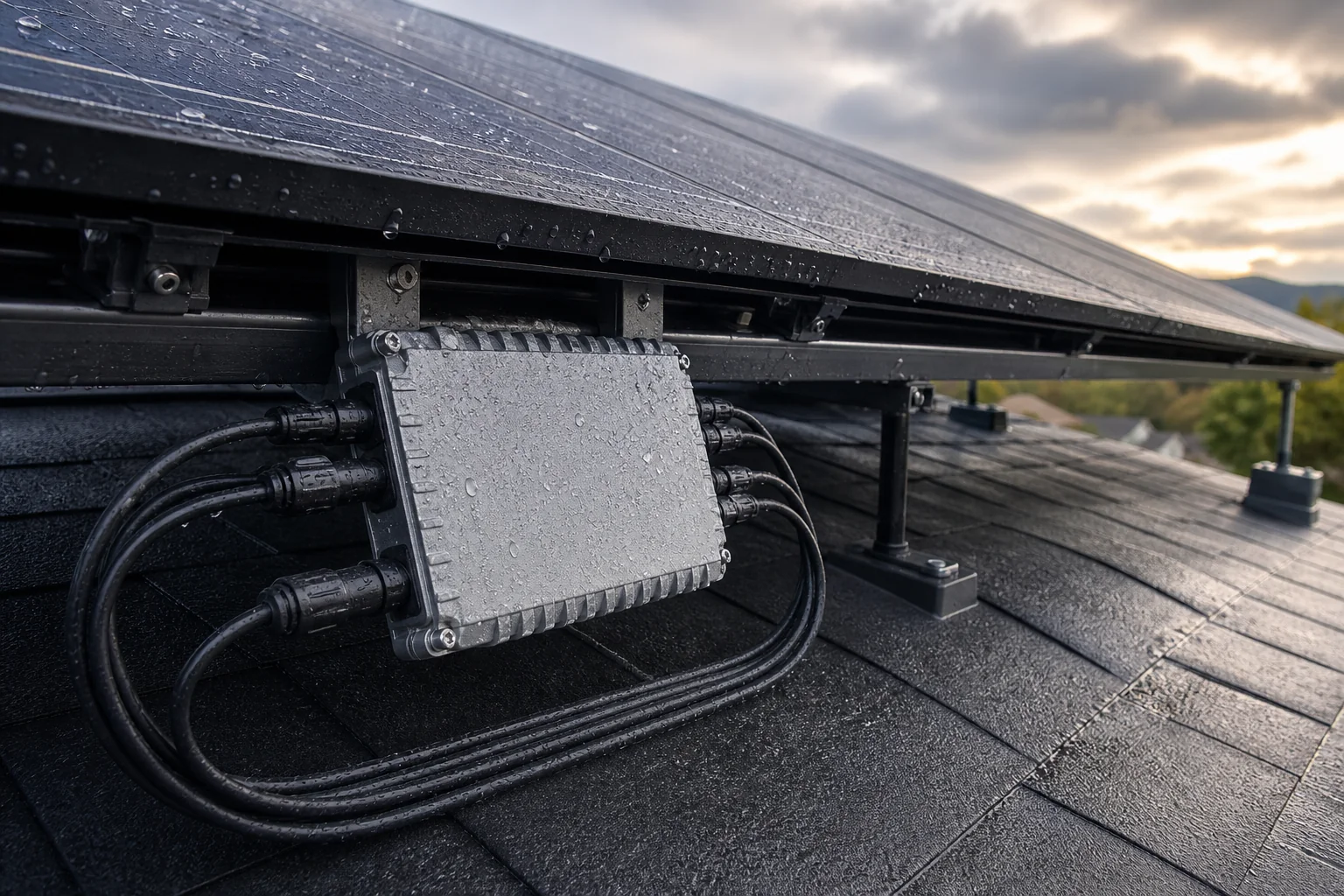
An IP67 mark is useful, but it is not a promise that a microinverter can be installed in any wet location. Procurement teams should connect the rating to the tested product configuration, installation orientation and all cable interfaces.
IEC 60529 defines the IP code used to classify enclosure protection against access, solid objects and water. In IP67, the first digit and second digit address different hazards. The mark does not by itself state corrosion resistance, UV life, condensation behavior, chemical resistance or suitability for continuous immersion.
Read the rating as a test classification
For purchasing purposes, ask four questions:
- Which exact model and enclosure revision were evaluated?
- Were the production connectors, glands, covers and seals part of that configuration?
- What installation conditions and limitations appear in the manual?
- Does the evidence come from a report or certificate that can be matched to the offered model?
A bare casting and a fully wired inverter are different assemblies. Unused ports, field-opened covers and substituted connectors can change the protection achieved in service.
Installation still controls water exposure
Even with a suitable enclosure rating, the mounting plan should avoid drainage paths that direct water toward connectors. Keep cable loops from carrying water into an interface, respect the stated orientation and do not place the unit where standing water or continuous immersion is expected unless the manufacturer explicitly approves it.
Check clearances around the housing. They support both drainage and natural convection. The APLV Series and APHV Series use fanless enclosures, so covering the housing or trapping it against insulation can create a thermal problem even when water protection is adequate.
Separate ingress protection from other durability questions
| Project condition | Is IP67 alone sufficient evidence? | Additional review |
|---|---|---|
| Rain and wind-driven spray | No | Orientation, connectors and mounting instructions |
| Coastal installation | No | Corrosion materials and salt exposure evidence |
| High UV location | No | Cable, plastic and label UV suitability |
| Condensation cycles | No | Venting, sealing and thermal-cycle design |
| Chemical or agricultural atmosphere | No | Material compatibility |
| Flood-prone mounting point | No | Relocate equipment or obtain explicit approval |
This distinction prevents a common tender mistake: converting one test classification into a general environmental warranty.
What to check on an incoming sample
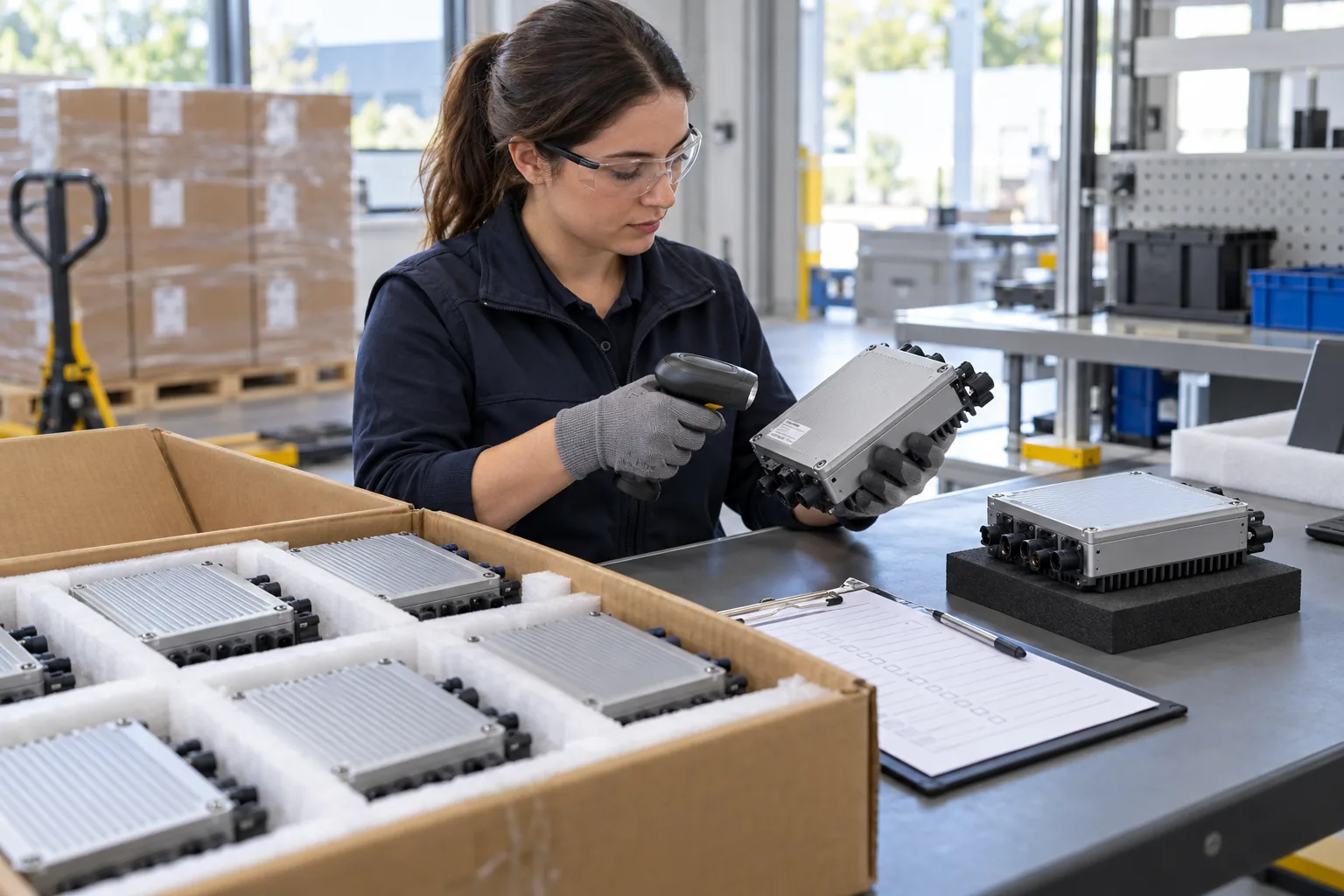
Inspect the full perimeter seal, fastener control, housing damage, connector seating, unused-port caps and cable strain relief. Photograph the label and traceability code before testing. If the buyer conducts a water exposure screen, document the setup and understand that an in-house screen does not replace standardized third-party evaluation.
After exposure, do not rely only on exterior appearance. A qualified team should follow the manufacturer's safe inspection method and applicable electrical tests. Never open energized equipment or defeat protective measures to look for moisture.
Supplier evidence package
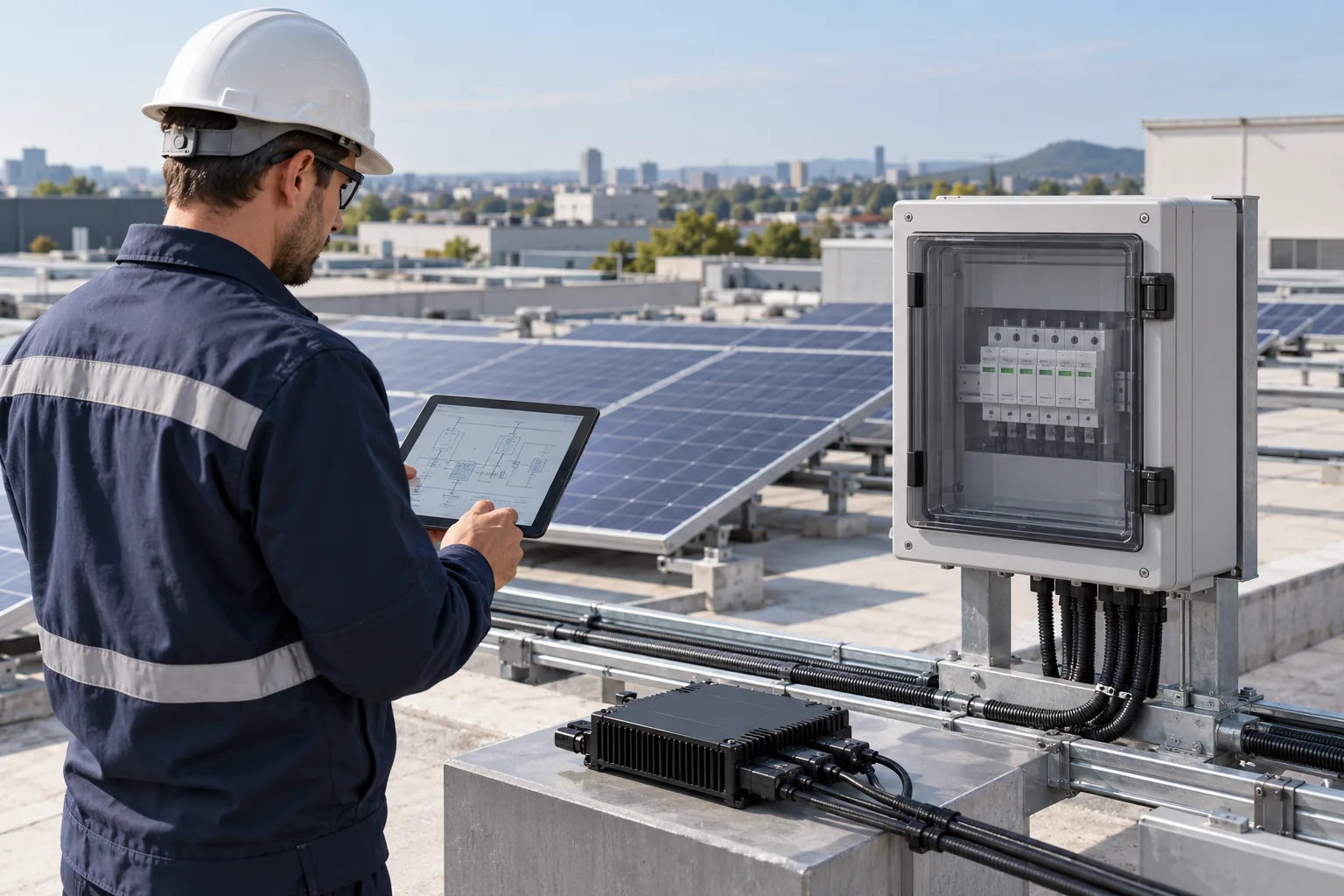
Request the model-linked IP evidence, enclosure drawing revision, approved connector list, installation manual, production seal-control method and change-notification process. Add the exact accessories to the controlled BOM using the connector and cable purchase-order checklist.
For a project review, send installation photographs or drawings, mounting orientation, environmental conditions and the proposed cable layout through TMG Contact. The outcome should state both the supported use and the conditions that remain the installer's responsibility.
Sources & further reading
Last reviewed November 21, 2024.